LANA ČMAJČANIN
LANA ČMAJČANIN
My artistic practice explores geopolitical structures, memory politics, and systemic violence. I critically examine how power manipulates history, identity, and trauma, especially within post-conflict contexts. Central to my work is the impact of nationalism and the complexity of lived experiences, particularly of women. I aim to reveal hidden narratives, challenge dominant discourses, and inspire reflection and change.
Lana Čmajčanin
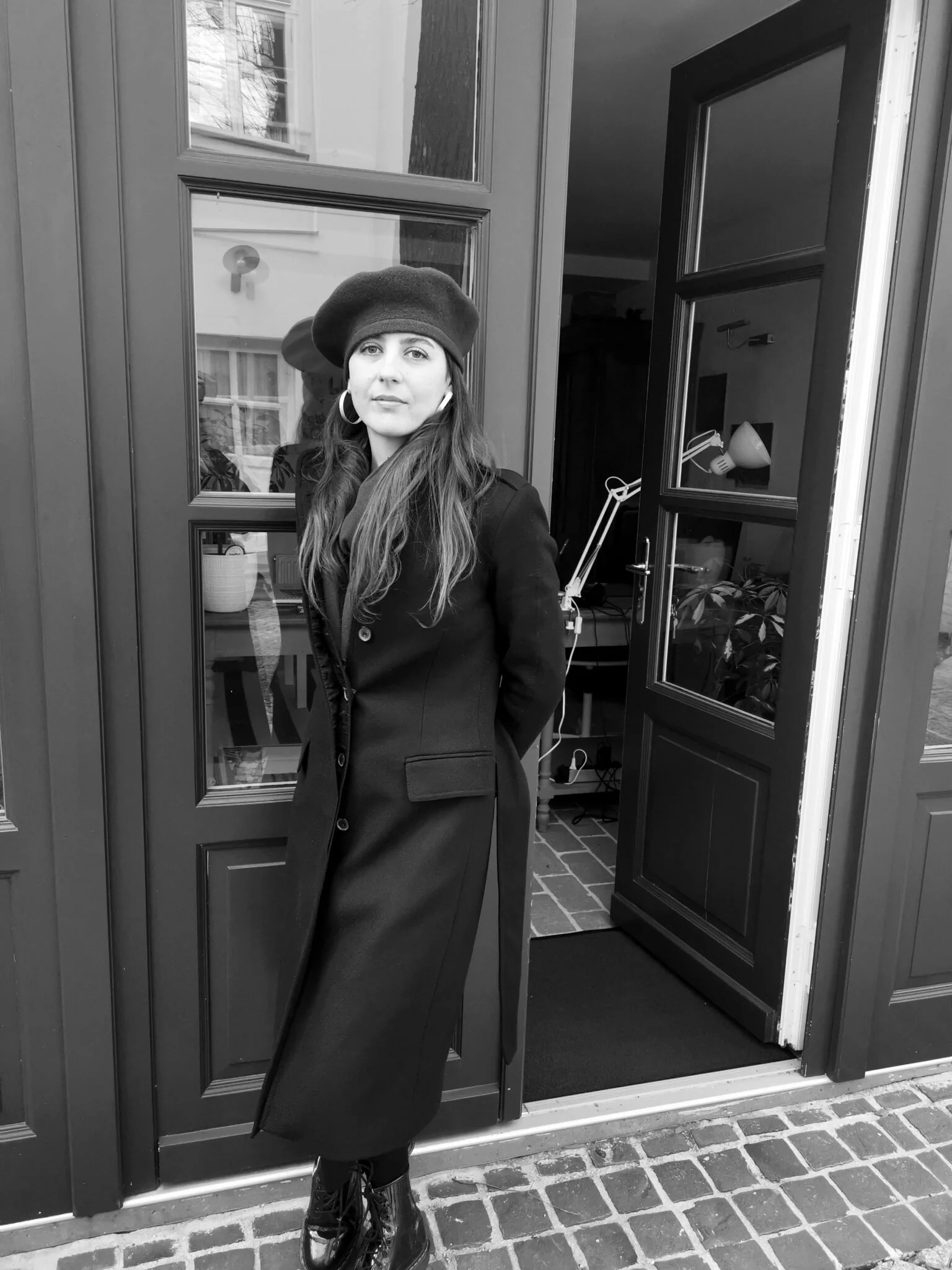
Lana Čmajčanin (b. in Sarajevo, BA) holds a Master’s degree in Sculpture from the Academy of Fine Arts, University of Sarajevo, and is currently a PhD candidate at the Academy of Fine Arts in Vienna (AT). Her multidisciplinary practice spans installation, video, sound, and drawing, critically interrogating geopolitical power, memory, and structural violence. Drawing on feminist theory, archival research, and educational and cartographic systems, her work destabilizes fixed historical narratives and traditional borders by exploring how patriarchal power inscribes itself onto bodies and territories. Čmajčanin foregrounds trauma, gender, and collective memory, linking intimate testimony to broader histories. She lives and works in Sarajevo (BA) and Vienna (AT).
In 2025, she presented the solo exhibition Chronopolitical Explorations at Neue Galerie Innsbruck (AT) and participated in the 6th Kyiv Biennial Near East, Far West at the Museum of Modern Art in Warsaw (PL). In 2024, her work was featured in the 10th Triennial of Contemporary Art U3 Against the Stream of Time at the Museum of Modern Art Ljubljana (SI), alongside exhibitions at the Tbilisi Photography & Multimedia Museum (GE), Fenaa Alawwal Riyadh (SA), and Prague City Gallery (CZ). In 2023, she realized the solo projects Don’t Dream Dreams at Brunnenpassage Vienna (AT) and A Change is Gonna Come at the Humanitarian Law Center Pristina (XK), and exhibited at MG+MSUM Ljubljana (SI) and the Van Abbemuseum Eindhoven (NL). Earlier highlights include Manifesta 14 in Prishtina (XK, 2022), Bigger than Myself. Heroic Voices from ex-Yugoslavia at MAXXI Rome (IT, 2021), and When Gesture Becomes Event at Künstlerhaus Wien (AT, 2020), as well as presentations at the Pera Museum Istanbul (TR, 2016), Garage Museum of Contemporary Art Moscow (RU, 2015), and Stedelijk Museum Amsterdam (NL, 2015).
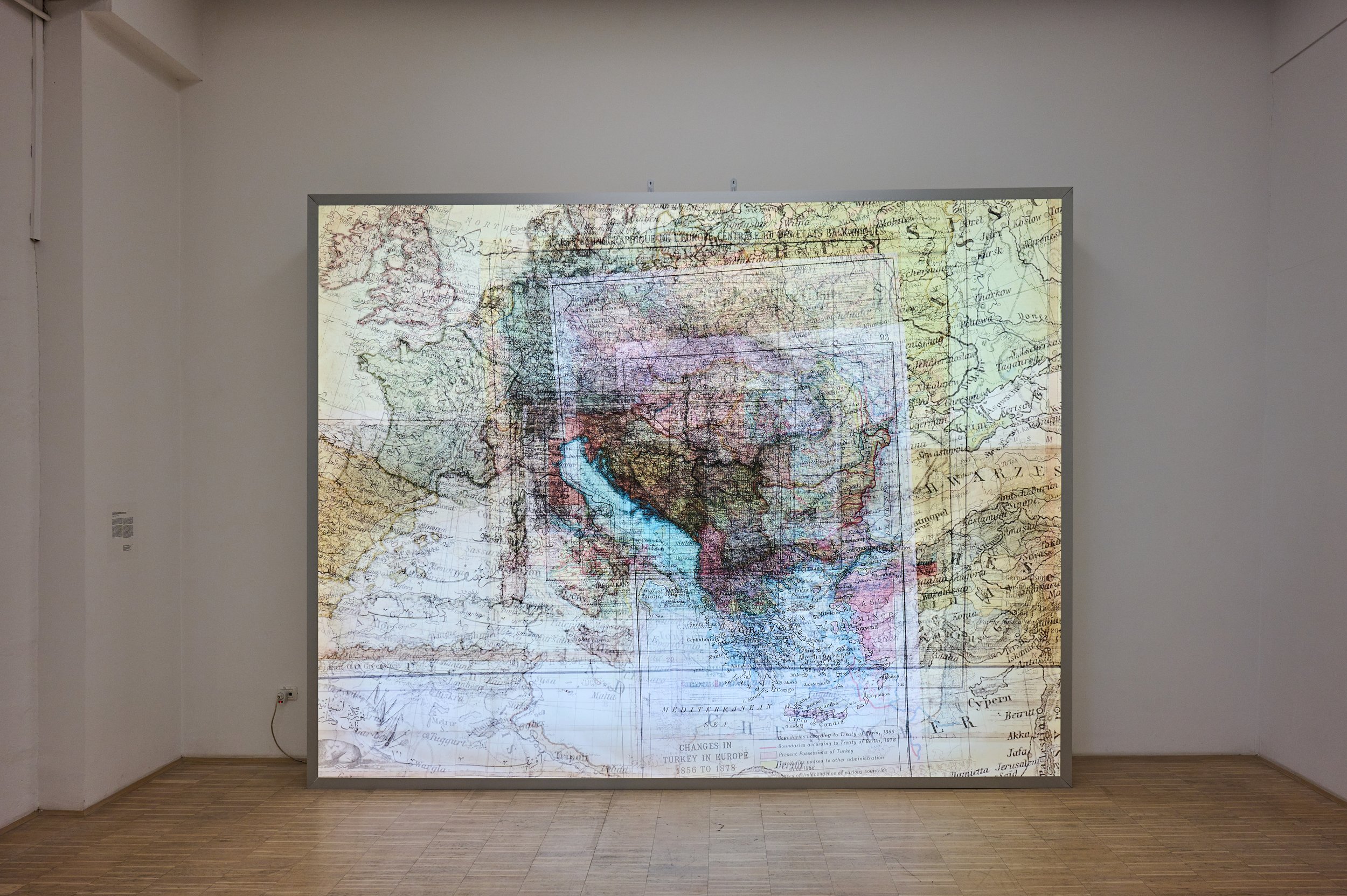

551.35 - GEOMETRY OF TIME
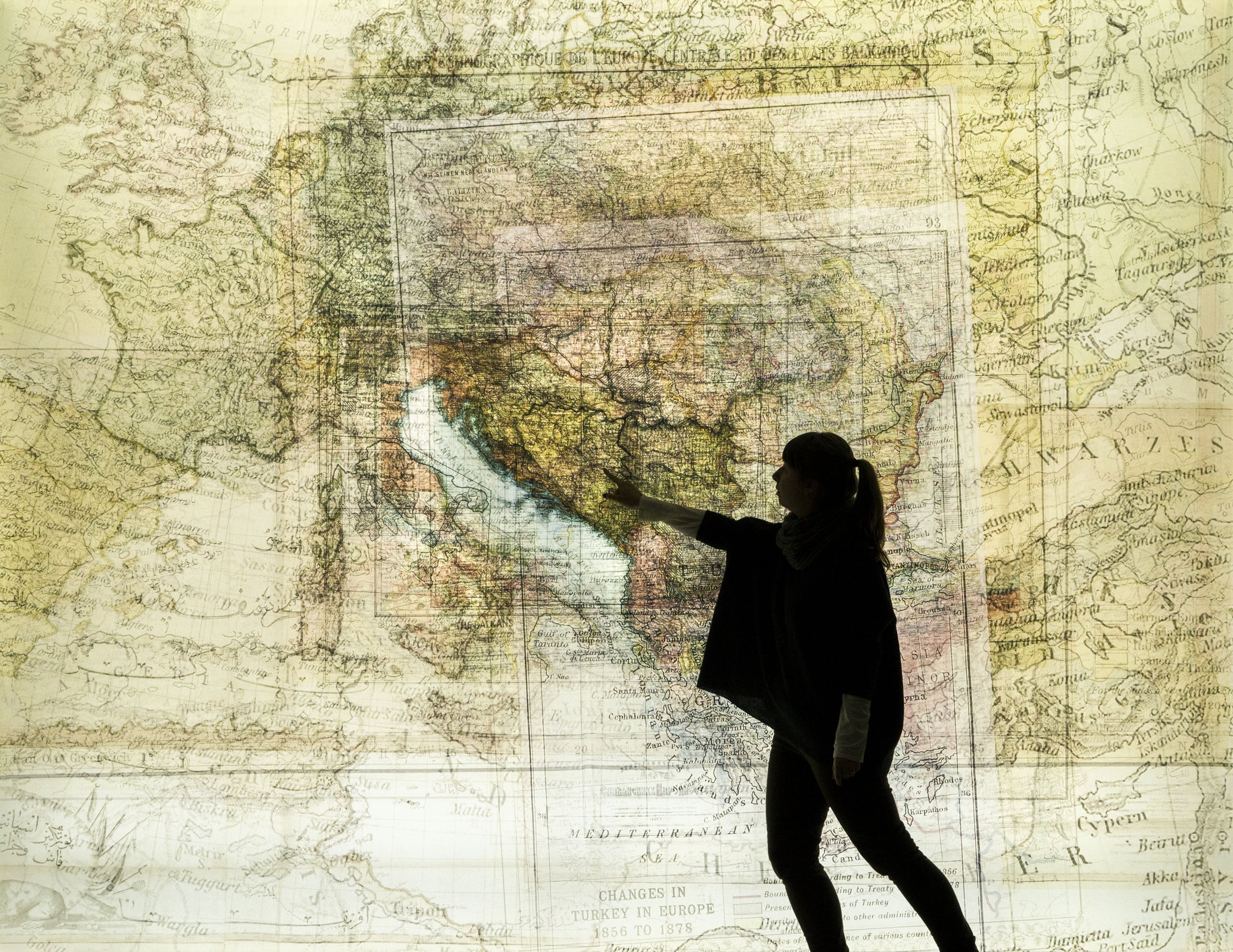
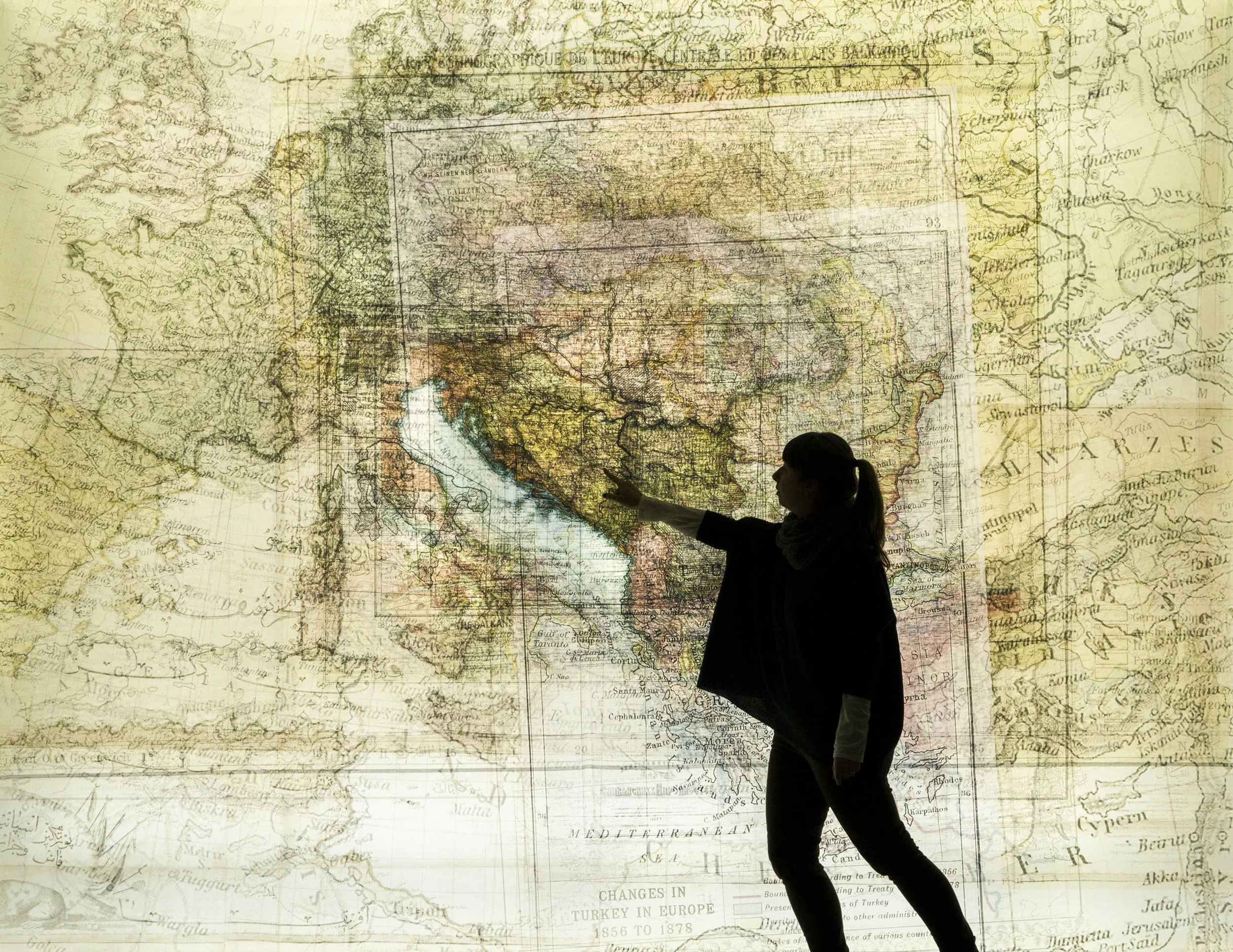
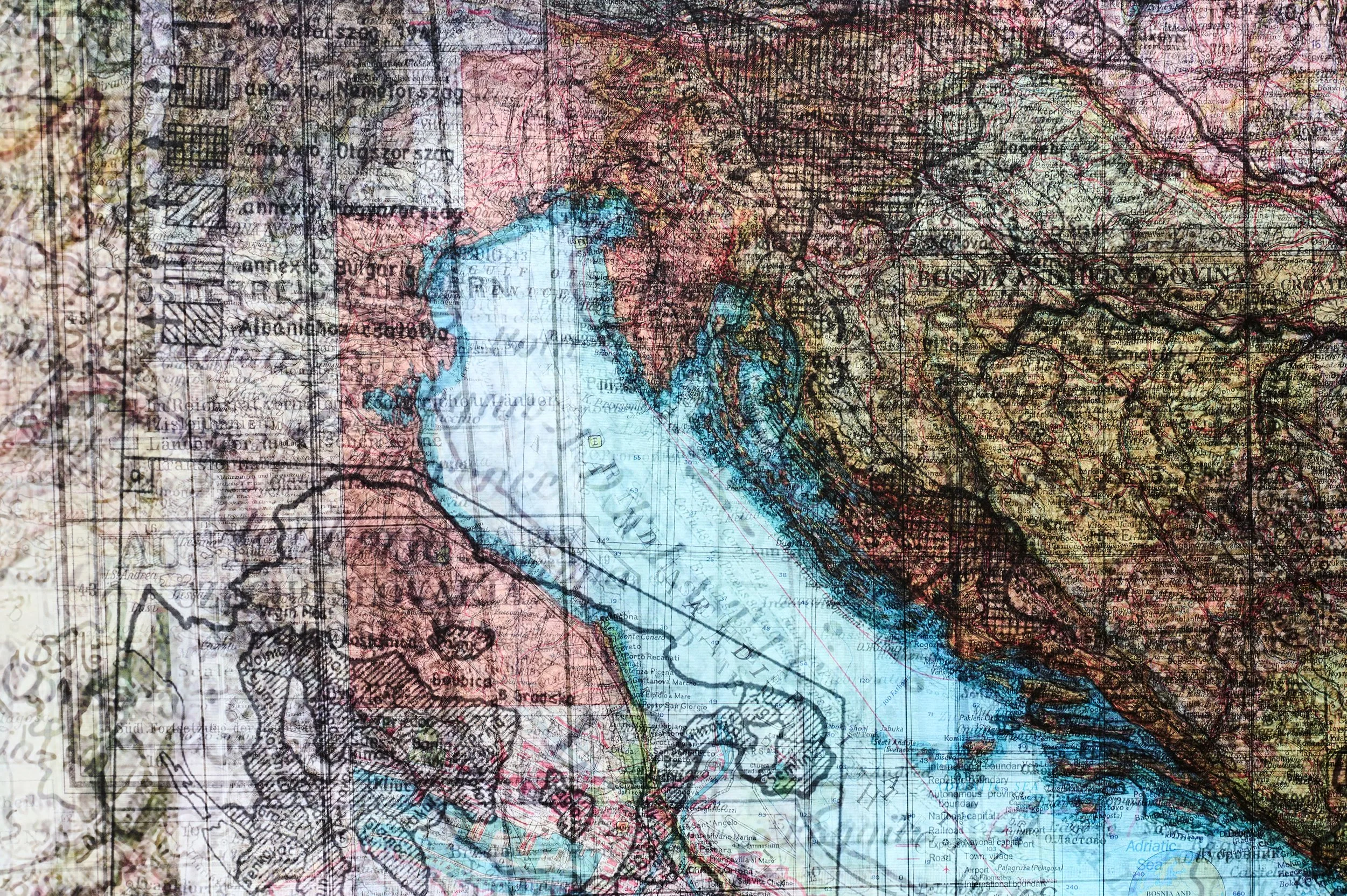
In her installation 551.35 – Geometry of Time, Lana Čmajčanin overlays 35 historical maps of Southeast Europe, tracing shifting borders and contested narratives spanning a period of 551 years. Presented as a lightbox, the work reveals the fluidity, displacements, and instabilities produced by colonial, imperial, and political interventions. Through the metaphor of a palimpsest, Čmajčanin questions the linearity of historical time and the presumed objectivity of geopolitical borders, exposing the forgotten and suppressed layers of history. The work further brings to light the recurring patterns of war and violence, as well as the geopolitical transformations that continue to shape the region’s collective memory.
Lana Čmajčanin, 551.35–Geometry of Time, lightbox installation with layered historical maps, 2012–2019.
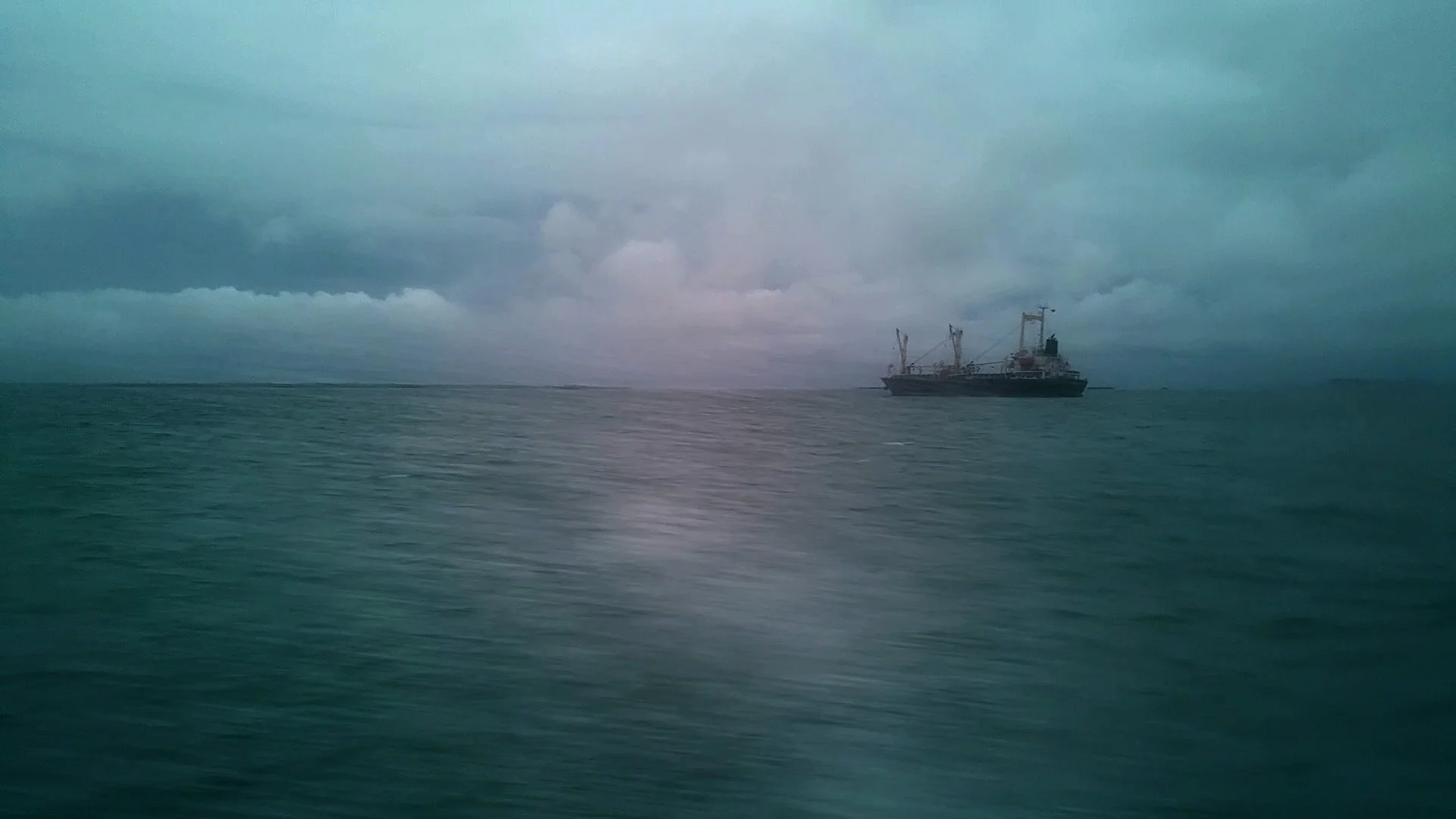
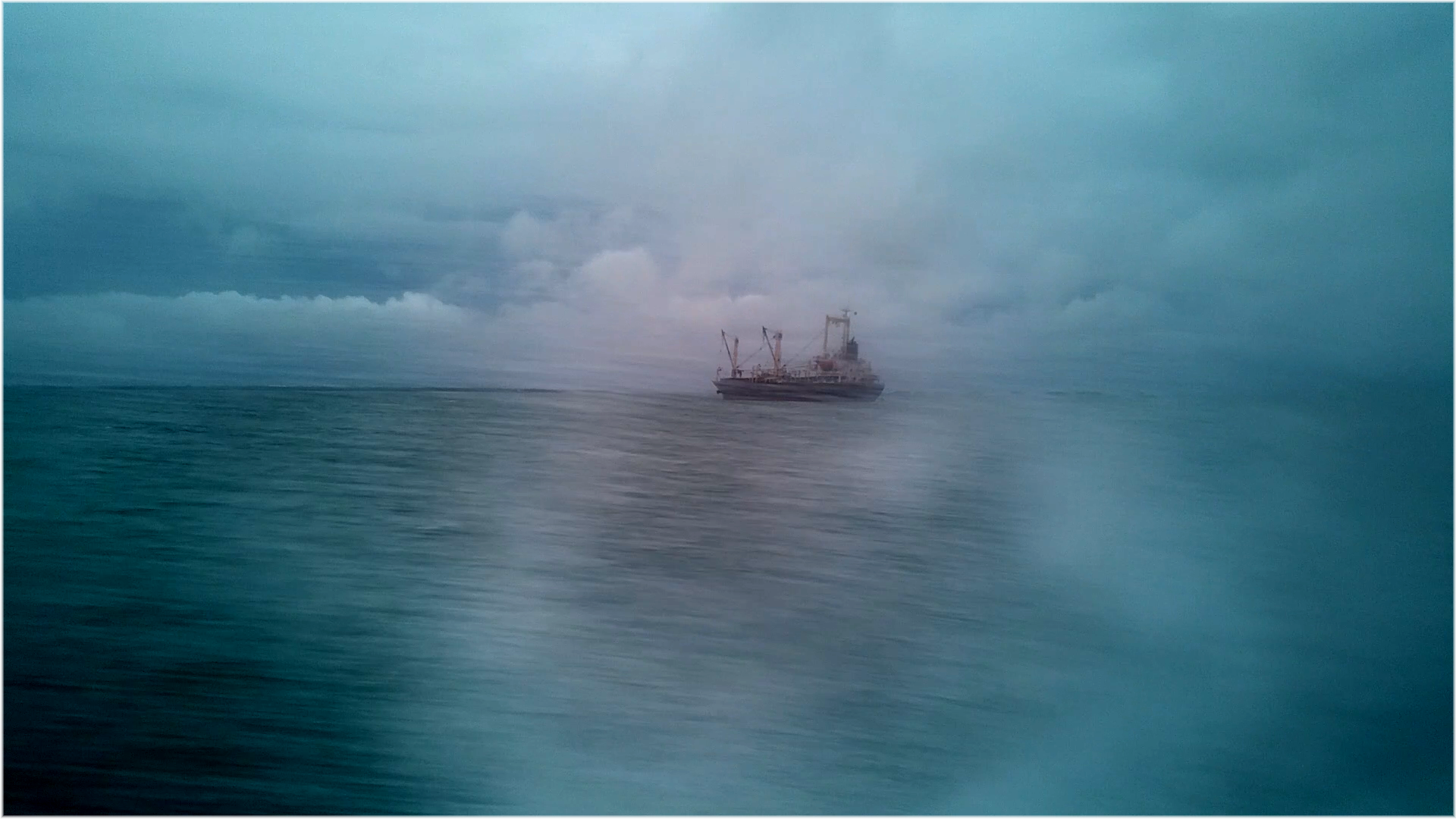
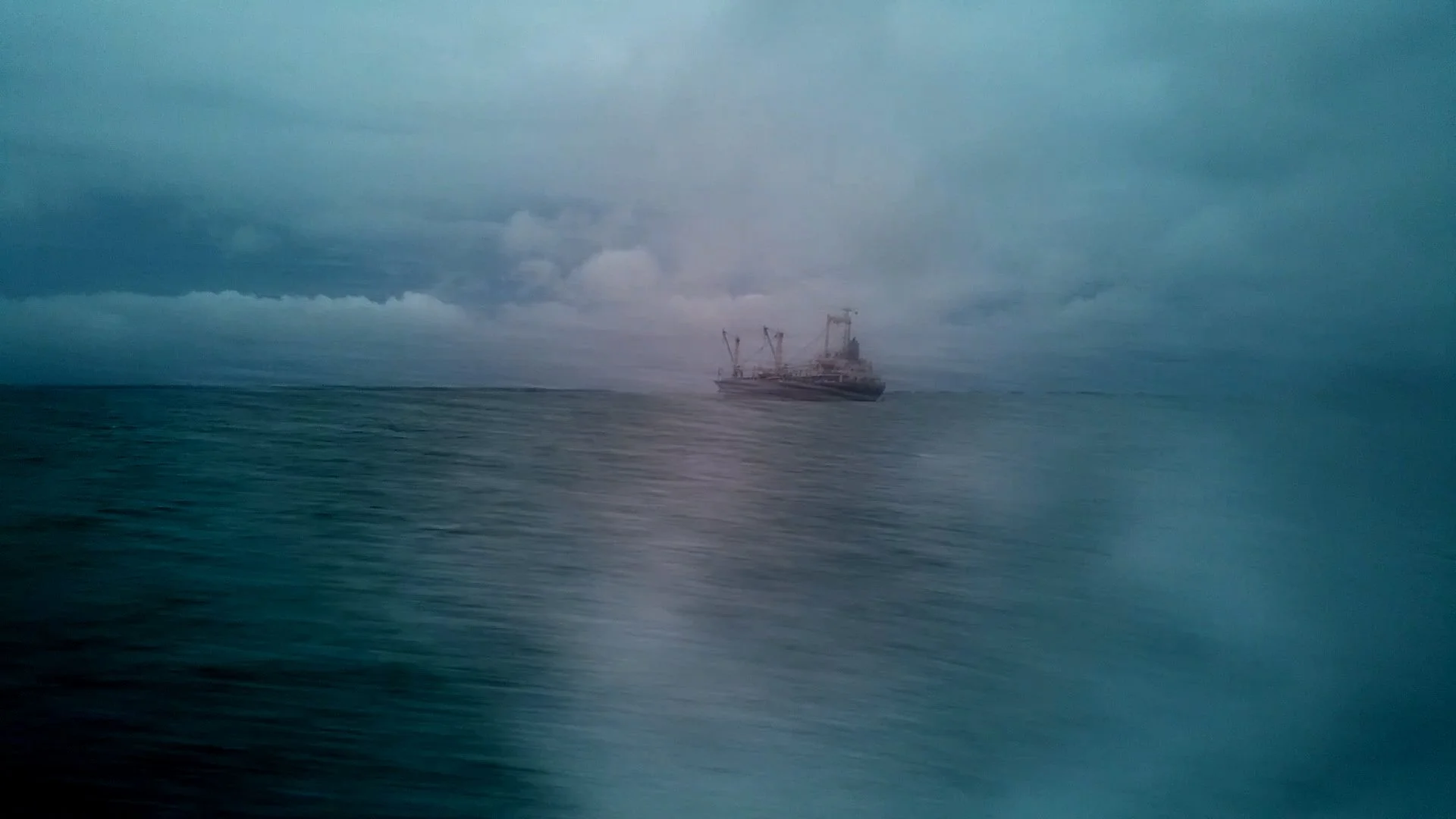
A CHANGE IS GONNA COME
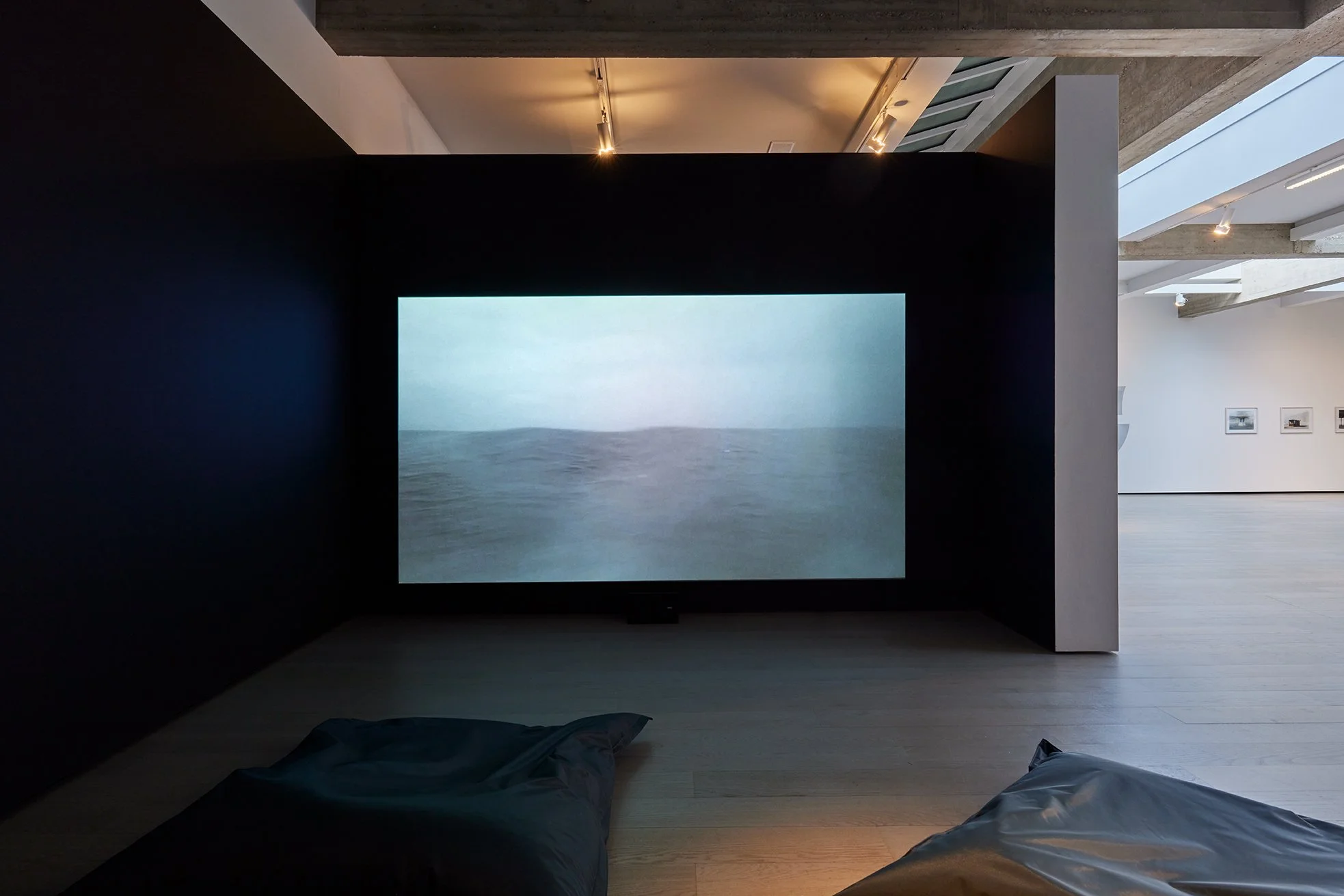
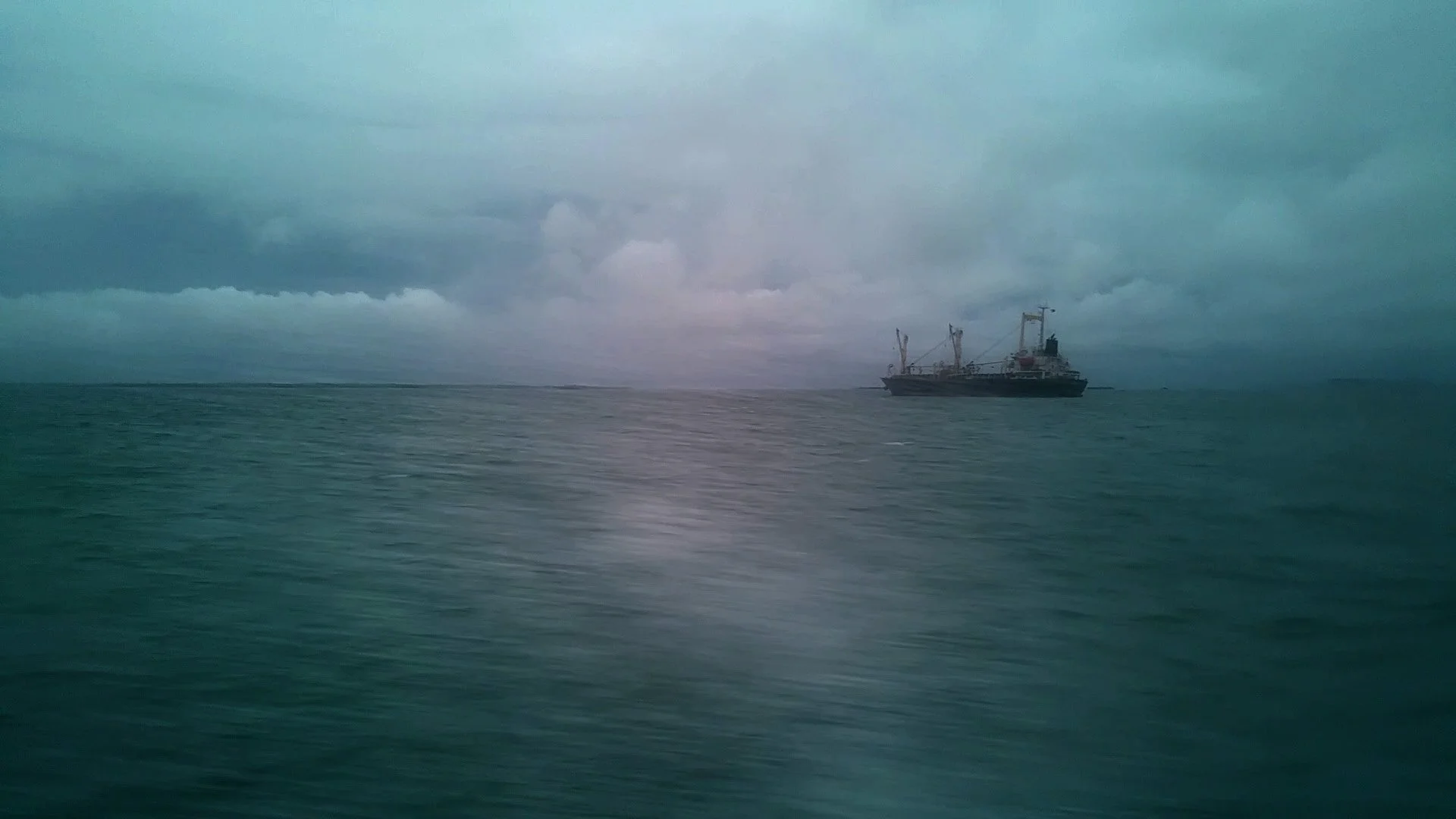
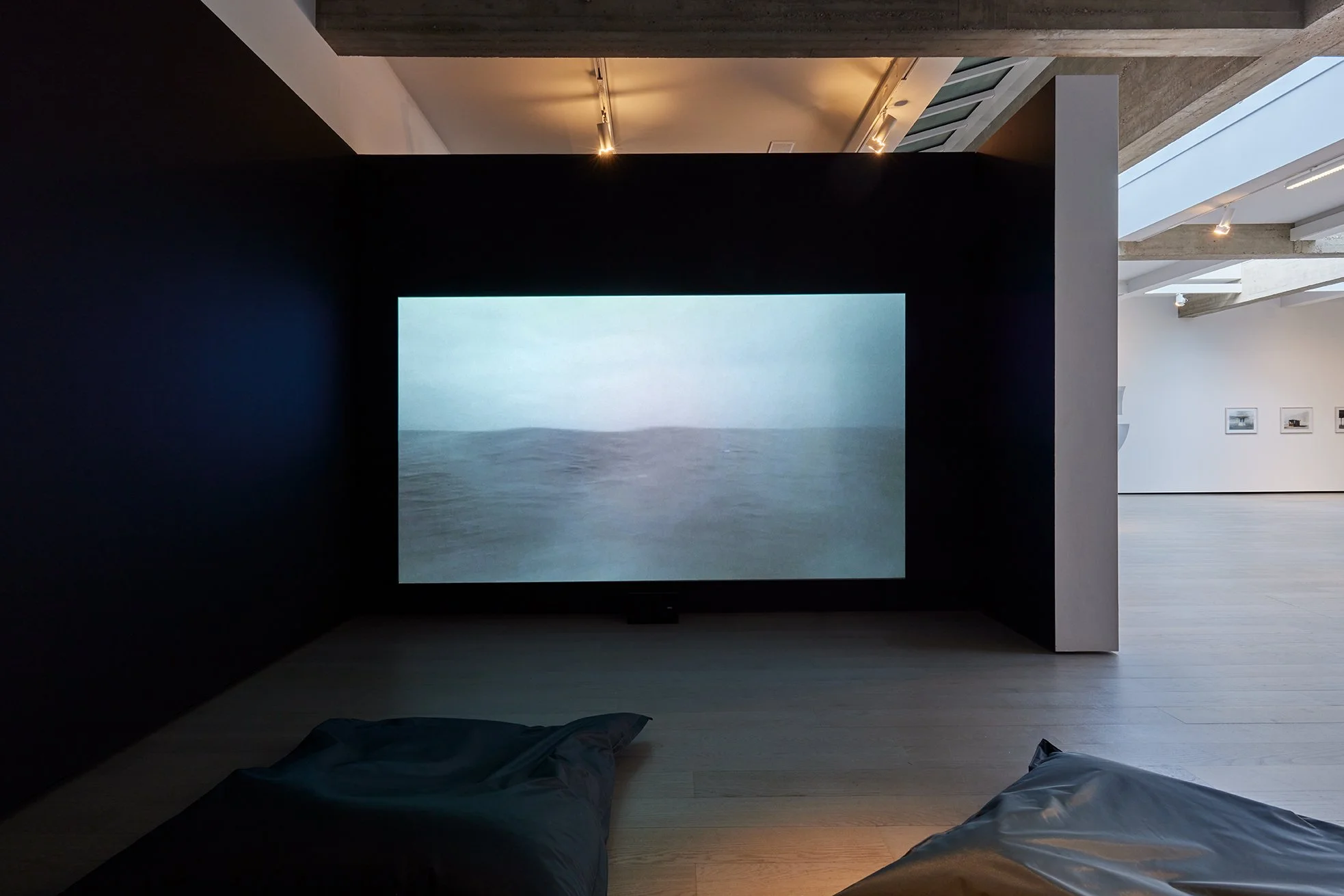
In her video work A Change Is Gonna Come, Lana Čmajčanin transforms a tranquil seascape into a meditation on anticipation, displacement, and the fragile promise of transformation. The video unfolds slowly: an expanse of grey-blue water, a solitary cargo ship drifting on the horizon, the hum of wind and distant waves. The stillness of the image contrasts with the title’s echo of Sam Cooke’s 1964 civil rights anthem—a song of hope tempered by struggle and uncertainty. Here, the horizon becomes both boundary and threshold, a site where waiting replaces arrival.
Through subtle shifts of light and motion, Čmajčanin captures the suspended state between departure and return, memory and projection. The sea functions as a metaphor for historical and emotional turbulence—its surface concealing depths of trauma, migration, and the longing for change. Devoid of overt narrative, the work evokes the slow temporality of transition that marks post-conflict societies and the human condition alike. A Change Is Gonna Come asks whether transformation is an event or a continuous state of becoming—an act of endurance carried by those who, despite everything, keep watching the horizon.
Lana Čmajčanin, A Change Is Gonna Come, single-channel video installation, 2018.
BALKANGREUEL - BALKAN CRUELTY
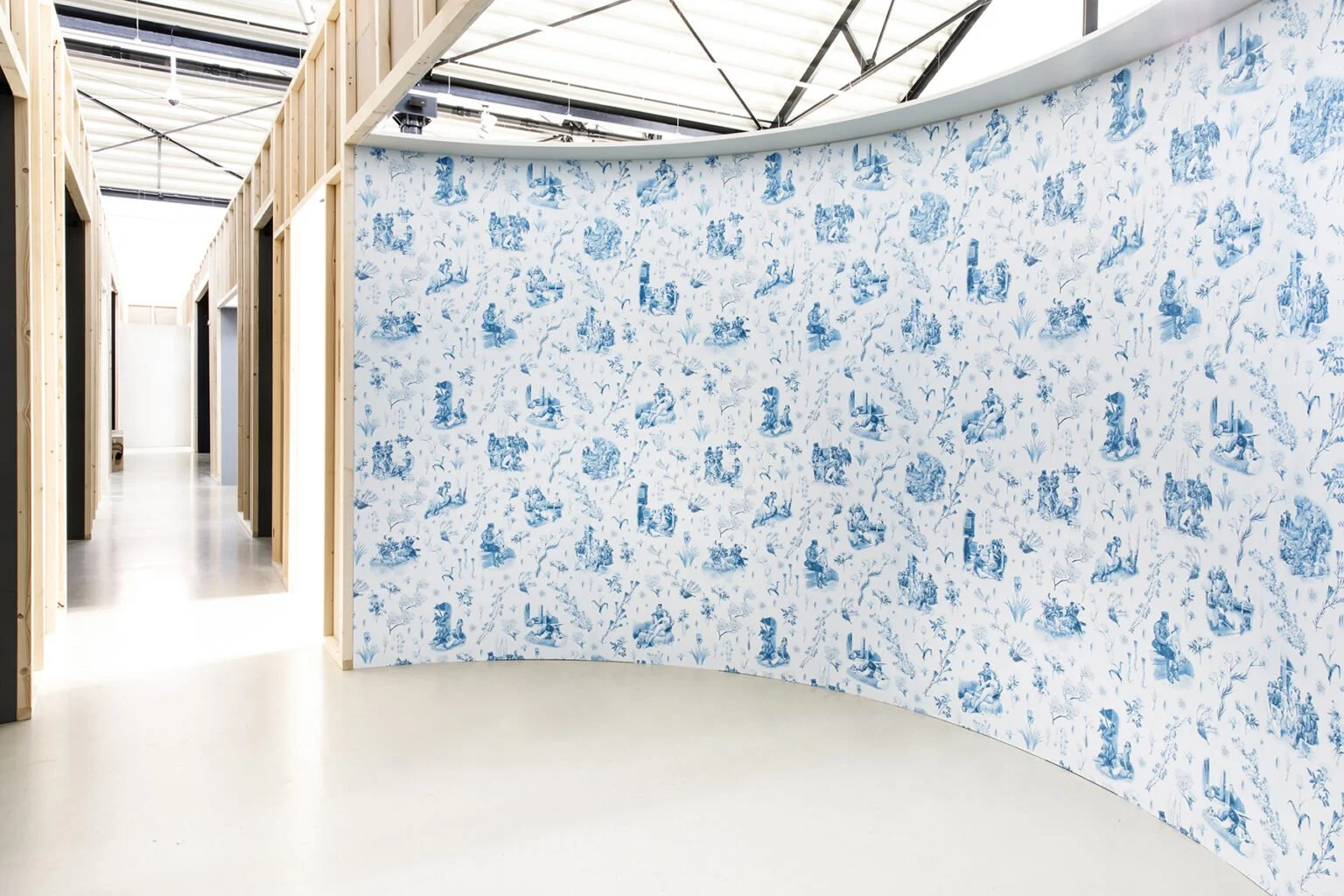
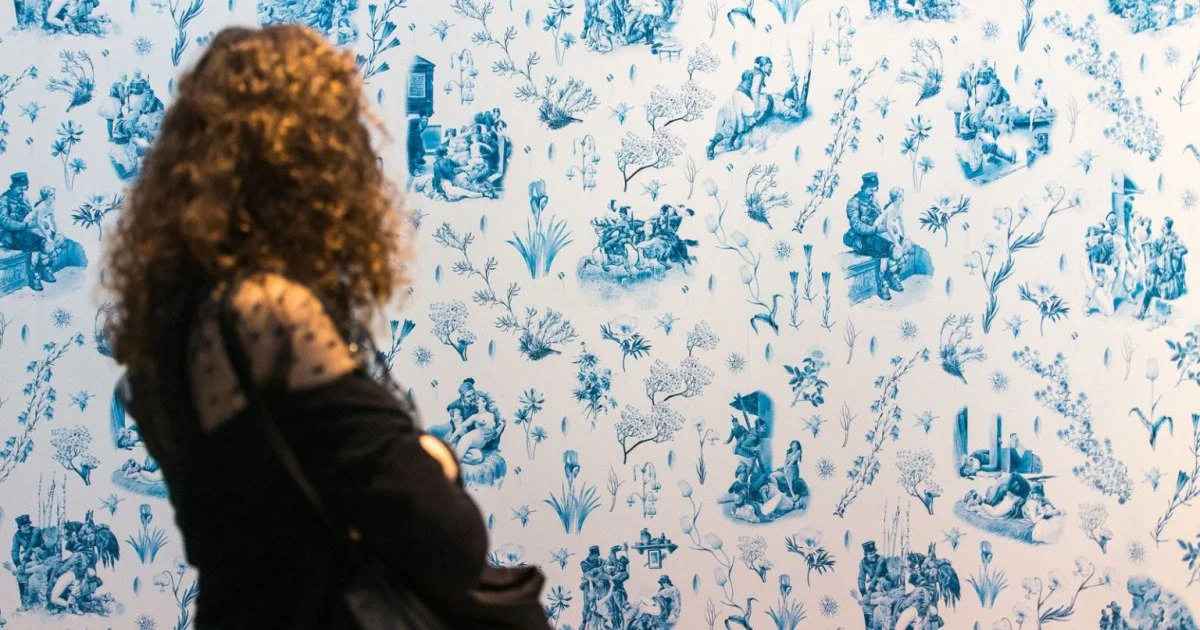
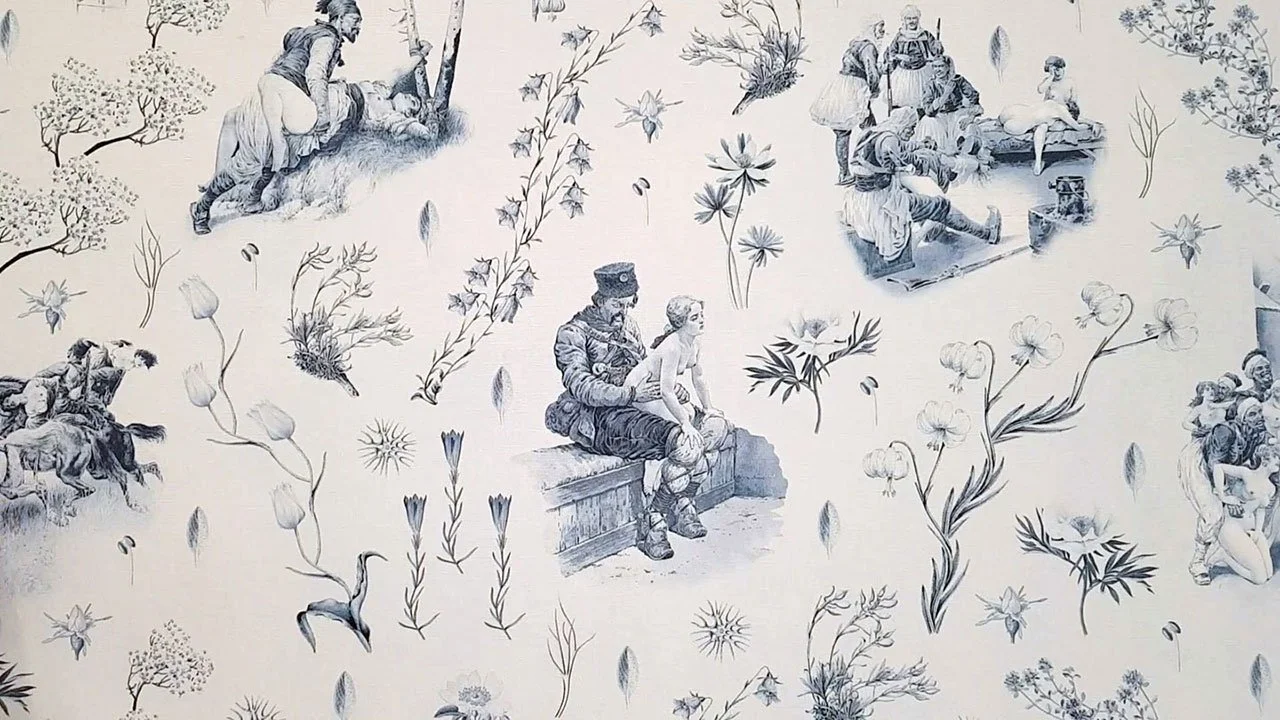
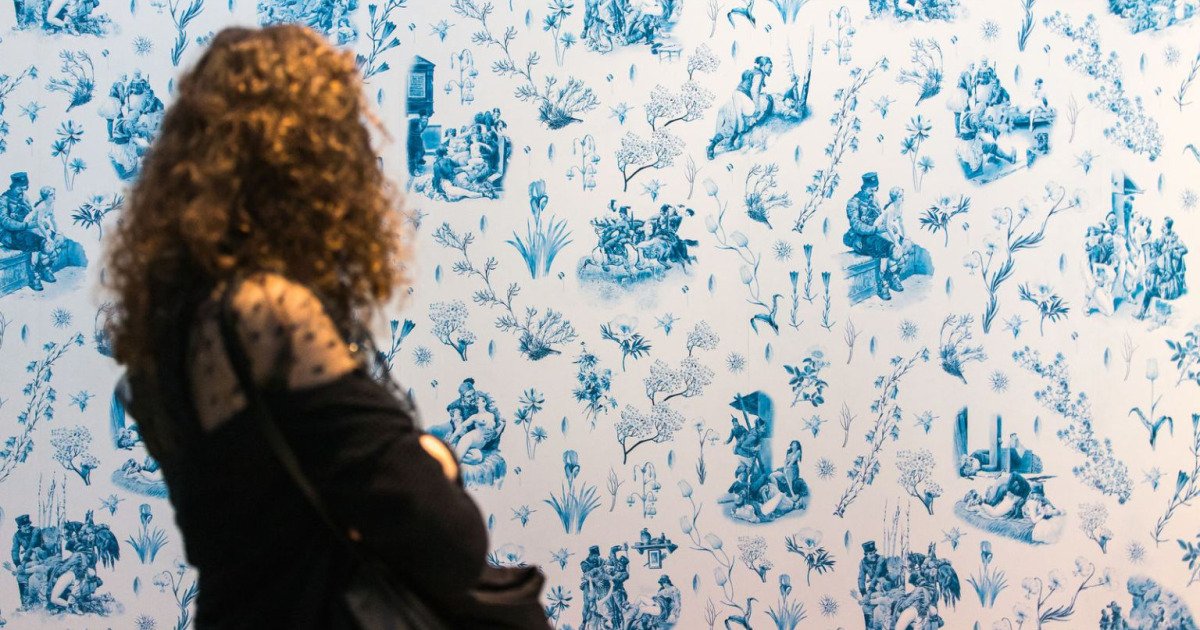
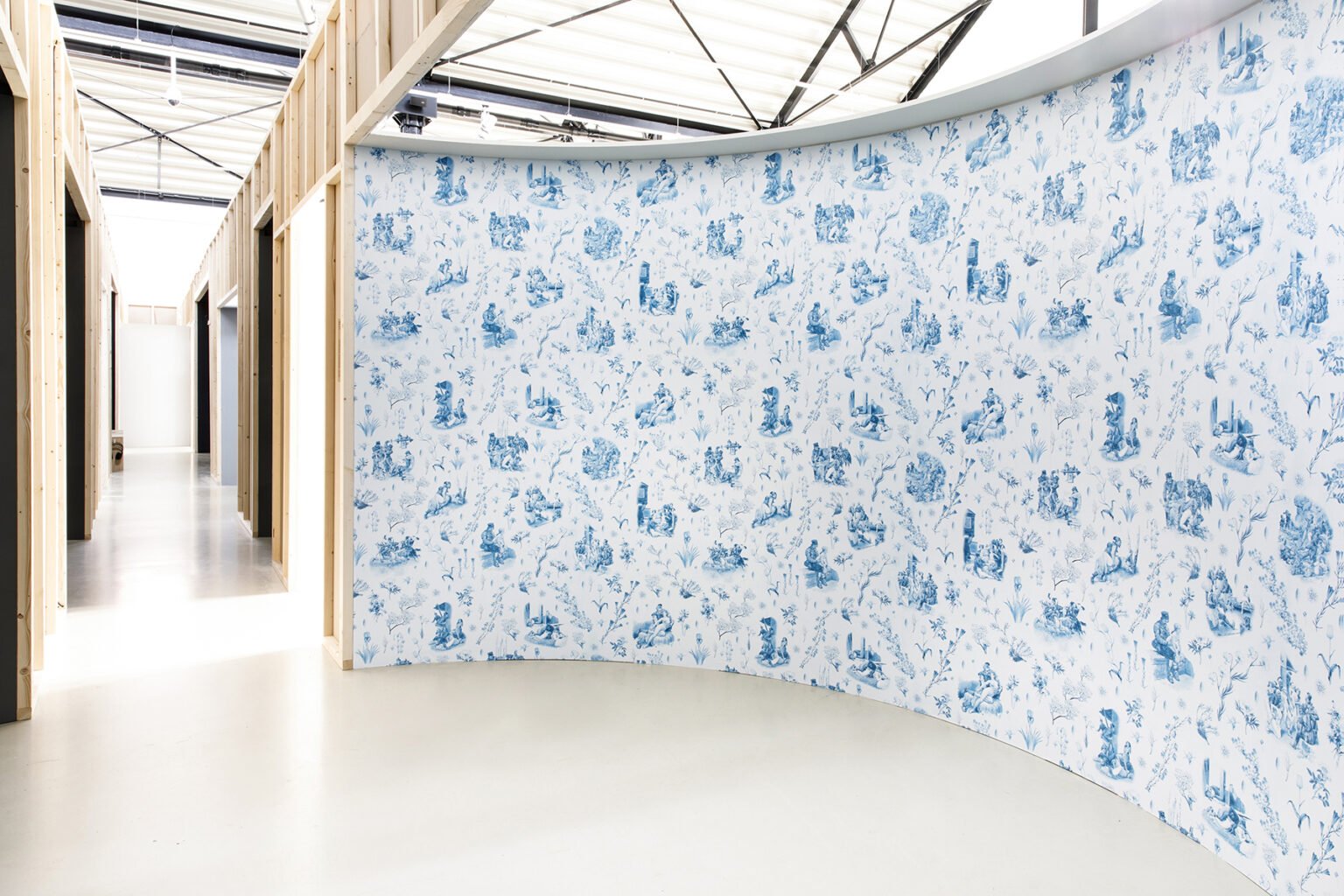
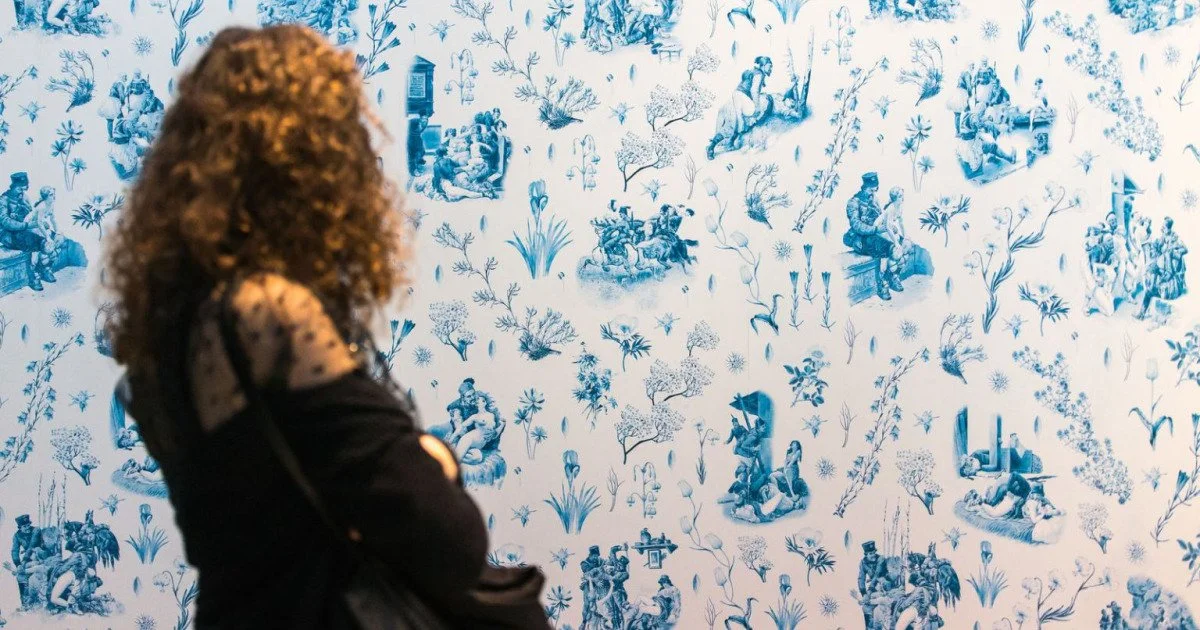
In BALKANGREUEL – BALKAN CRUELTY, Lana Čmajčanin reimagines the historical imagery of Gottfried Sieben’s 1909 portfolio Balkangreuel, produced in the context of the Austro-Hungarian annexation of Bosnia and Herzegovina. Sieben’s sensationalist illustrations, depicting the “wild Balkans” through scenes of brutality and sexual violence, served as propaganda reinforcing colonial and orientalist stereotypes. Čmajčanin appropriates and reframes these motifs within a pattern reminiscent of Viennese toile de jouy—an ornamental fabric associated with domestic comfort and bourgeois refinement. Interwoven with delicate floral elements endemic to the Balkans, the violent scenes become part of an alluring decorative surface. Beauty and brutality coexist, their coexistence exposing how violence can be aestheticized, normalized, and embedded within visual culture.
Through this fusion of ornament and atrocity, BALKANGREUEL – BALKAN CRUELTY unveils the mechanisms by which prejudice and power are perpetuated under the guise of civilization. The work transforms the wall into a palimpsest of history and ideology, confronting viewers with the persistence of colonial narratives and the deceptive harmony of violence disguised as art.
Lana Čmajčanin, BALKANGREUEL – BALKAN CRUELTY, installation, print on fabric wallpaper, 2019.
THE NATURE OF STATISTICS
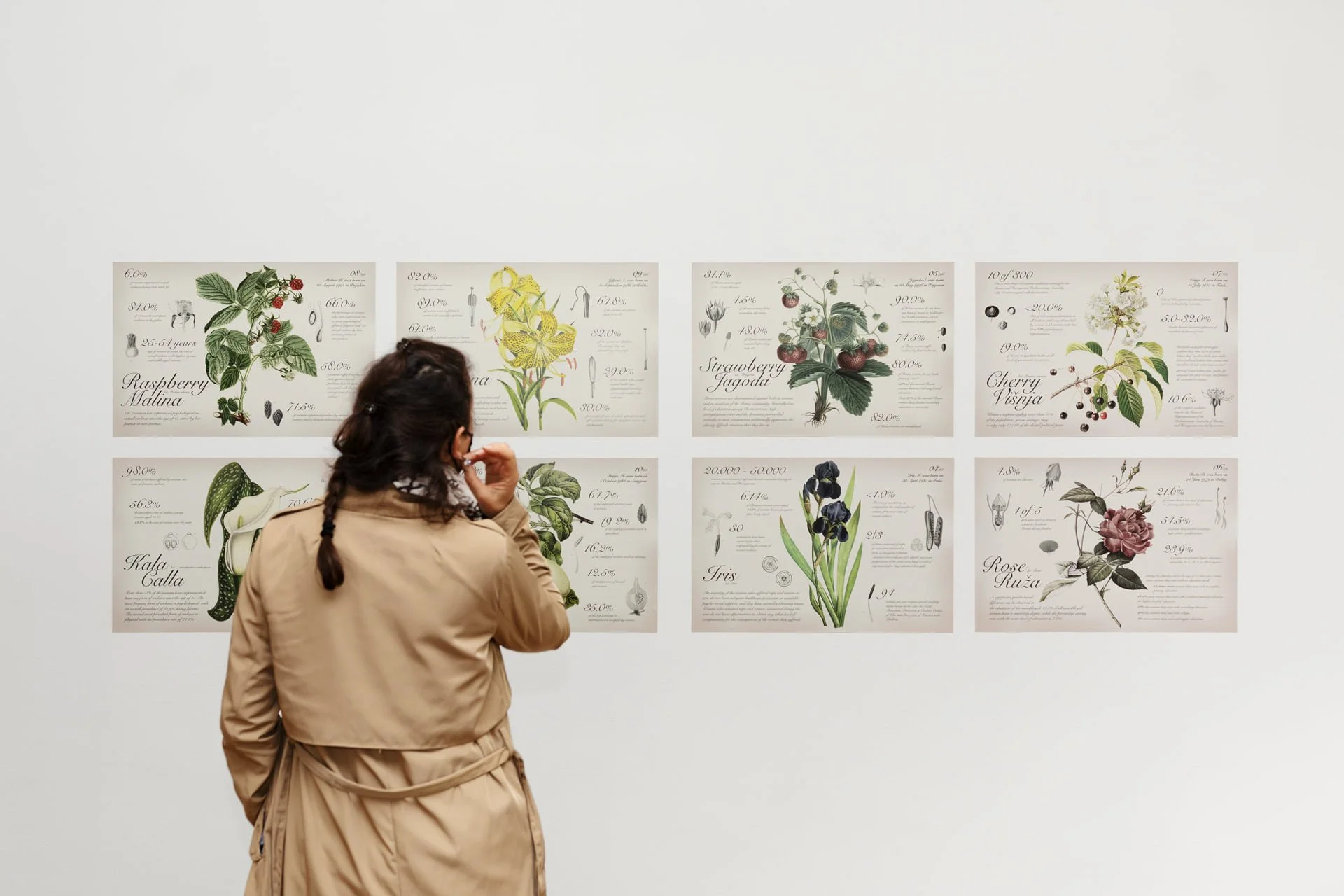
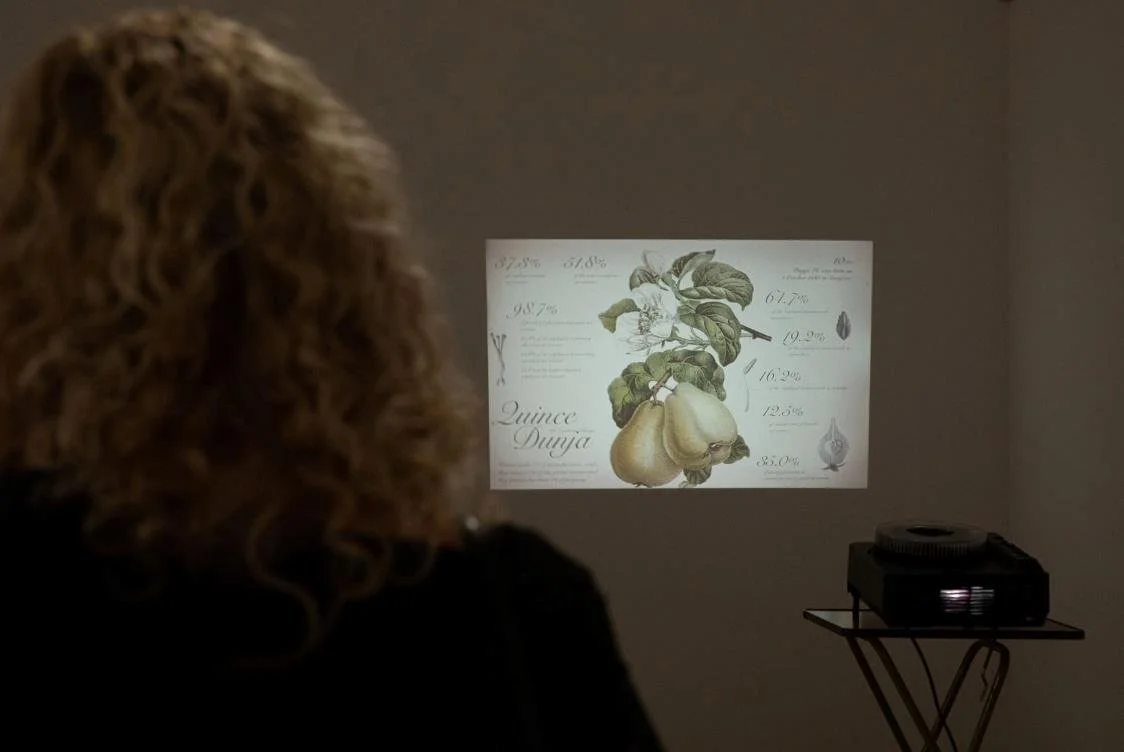
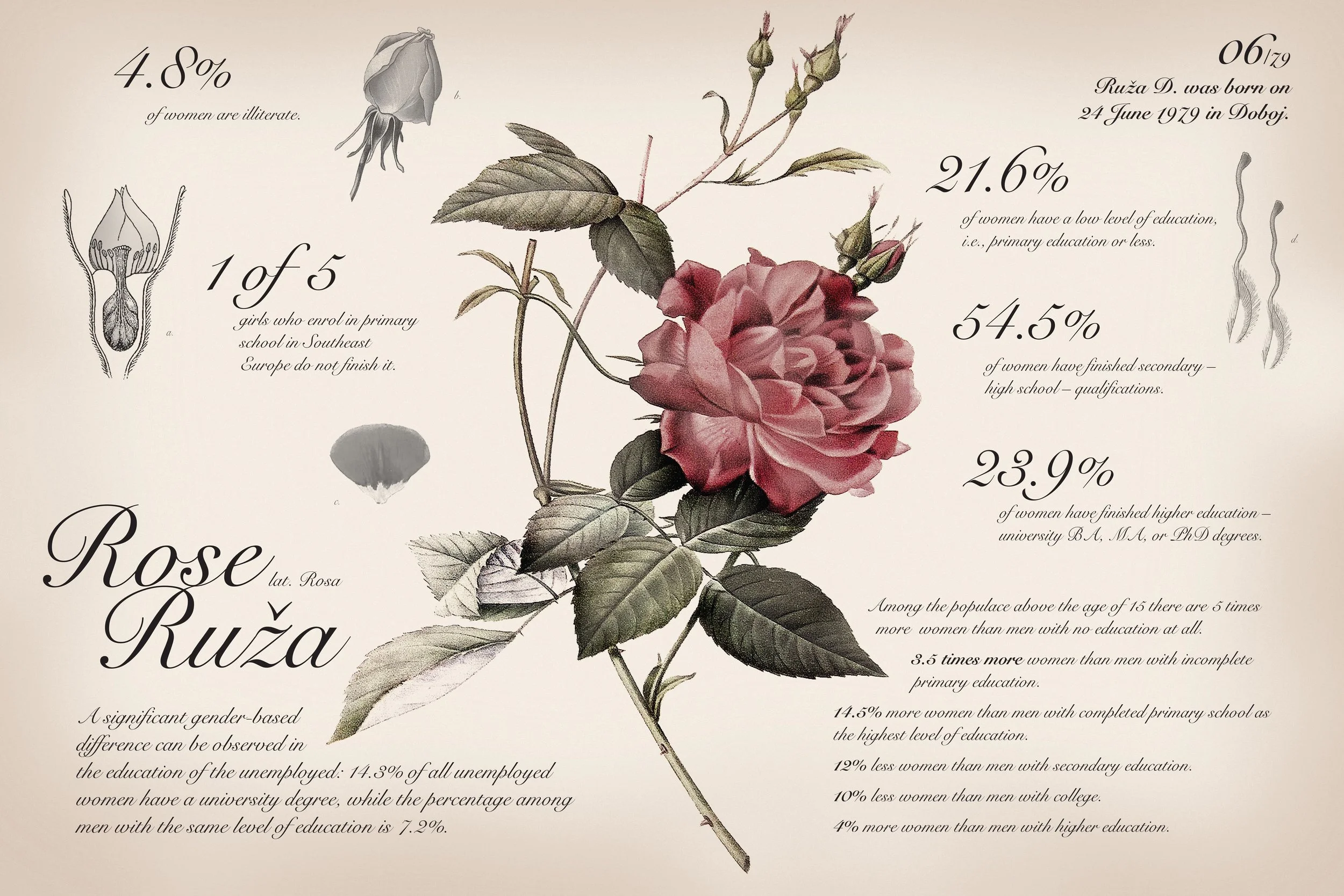
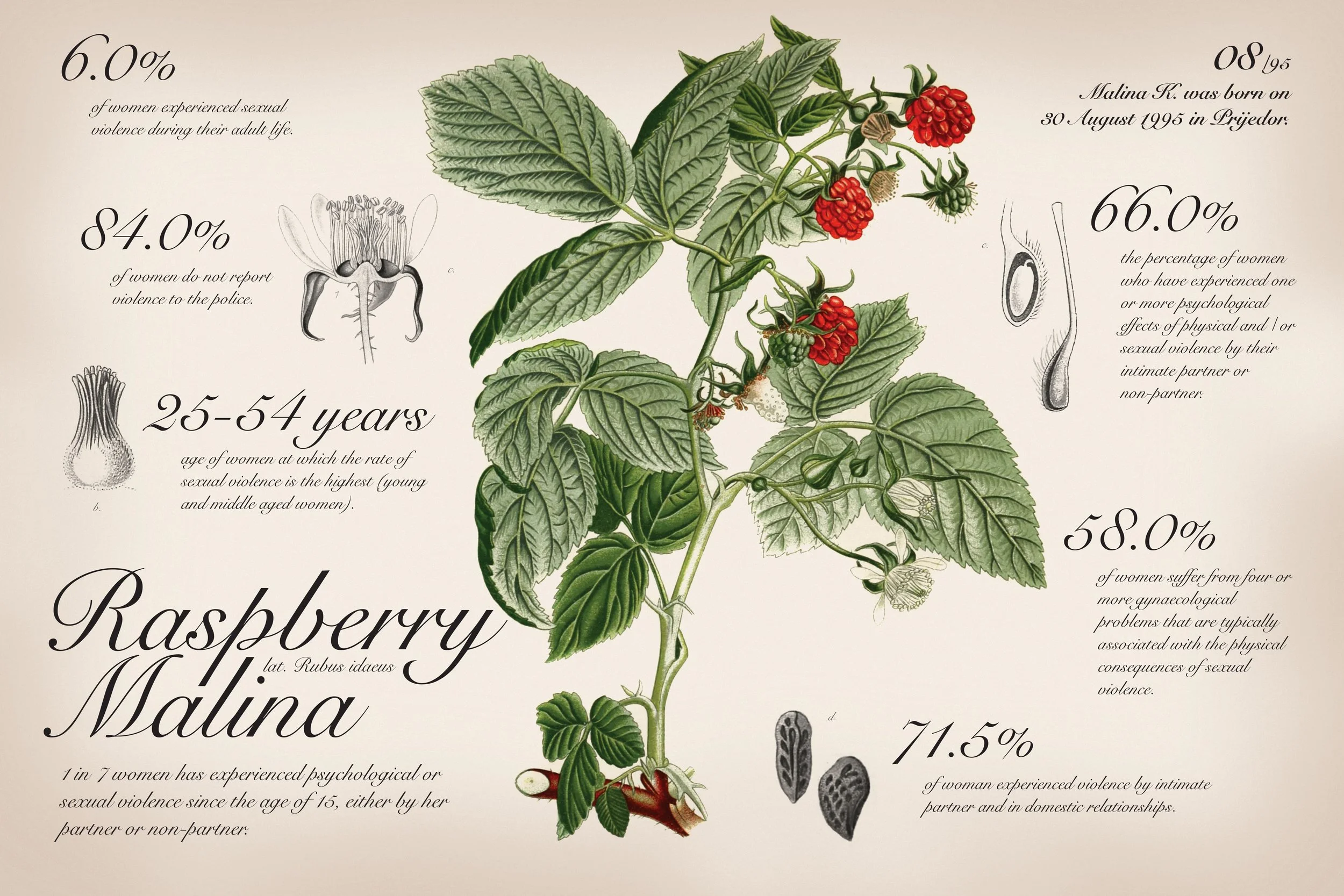
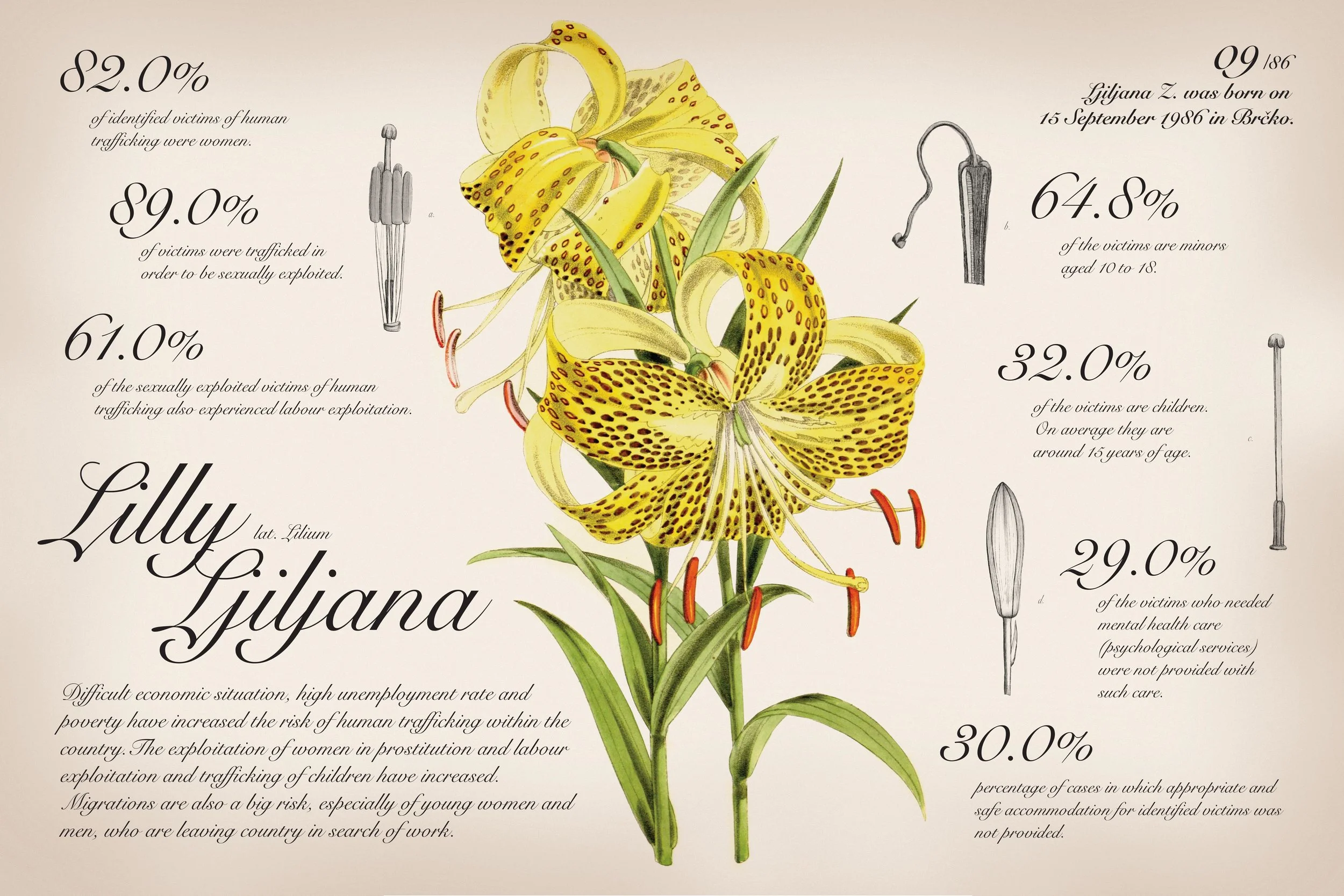
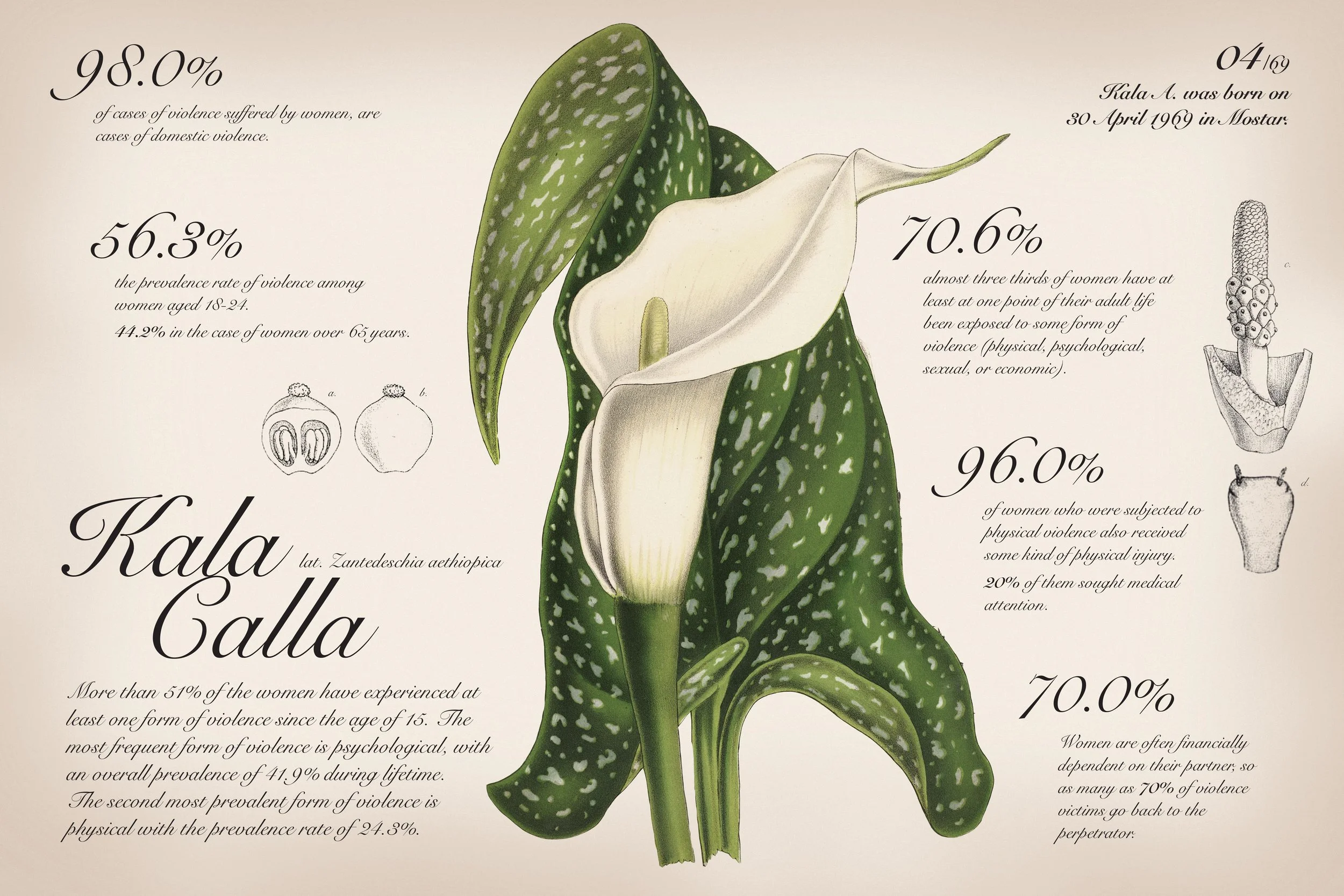
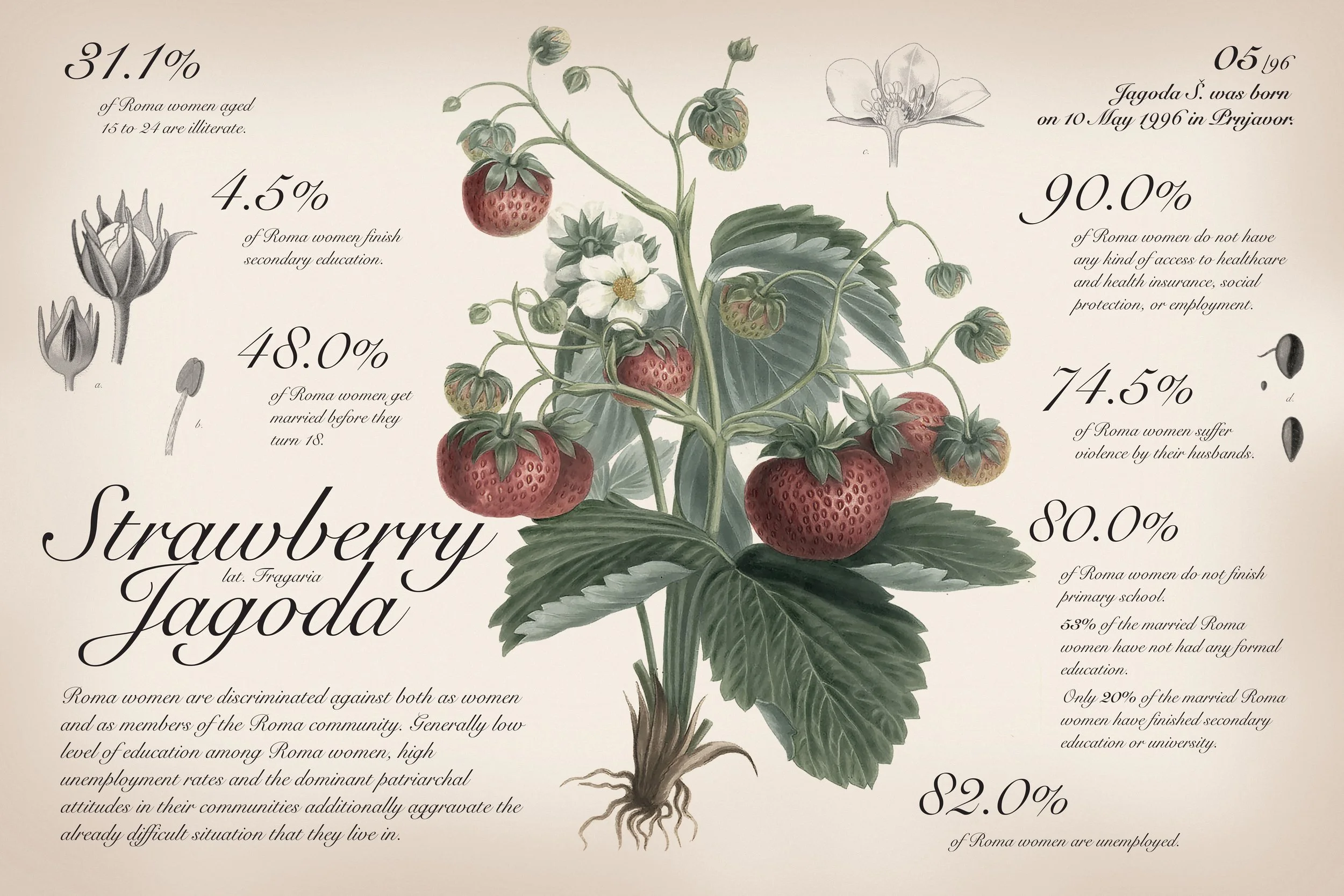
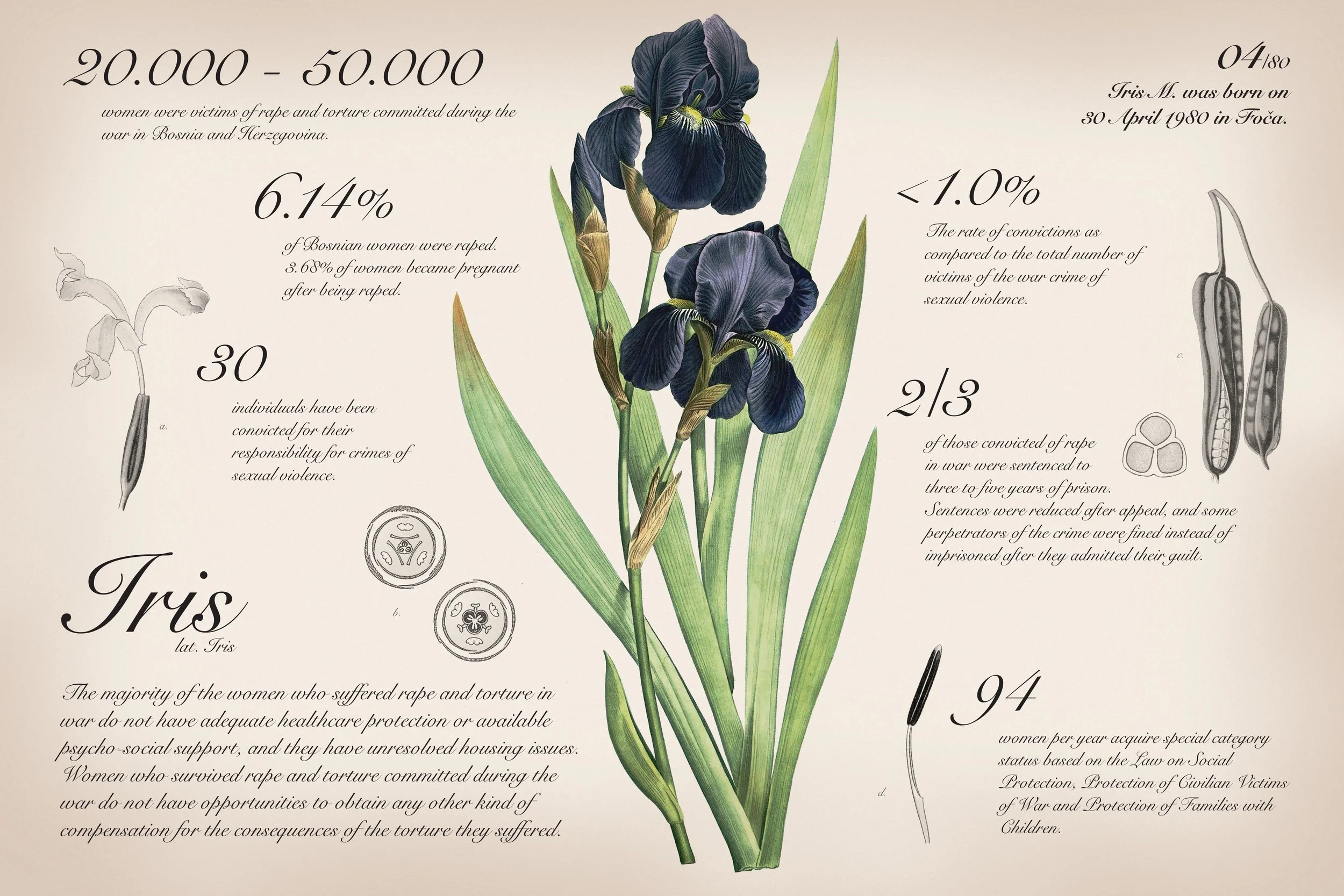
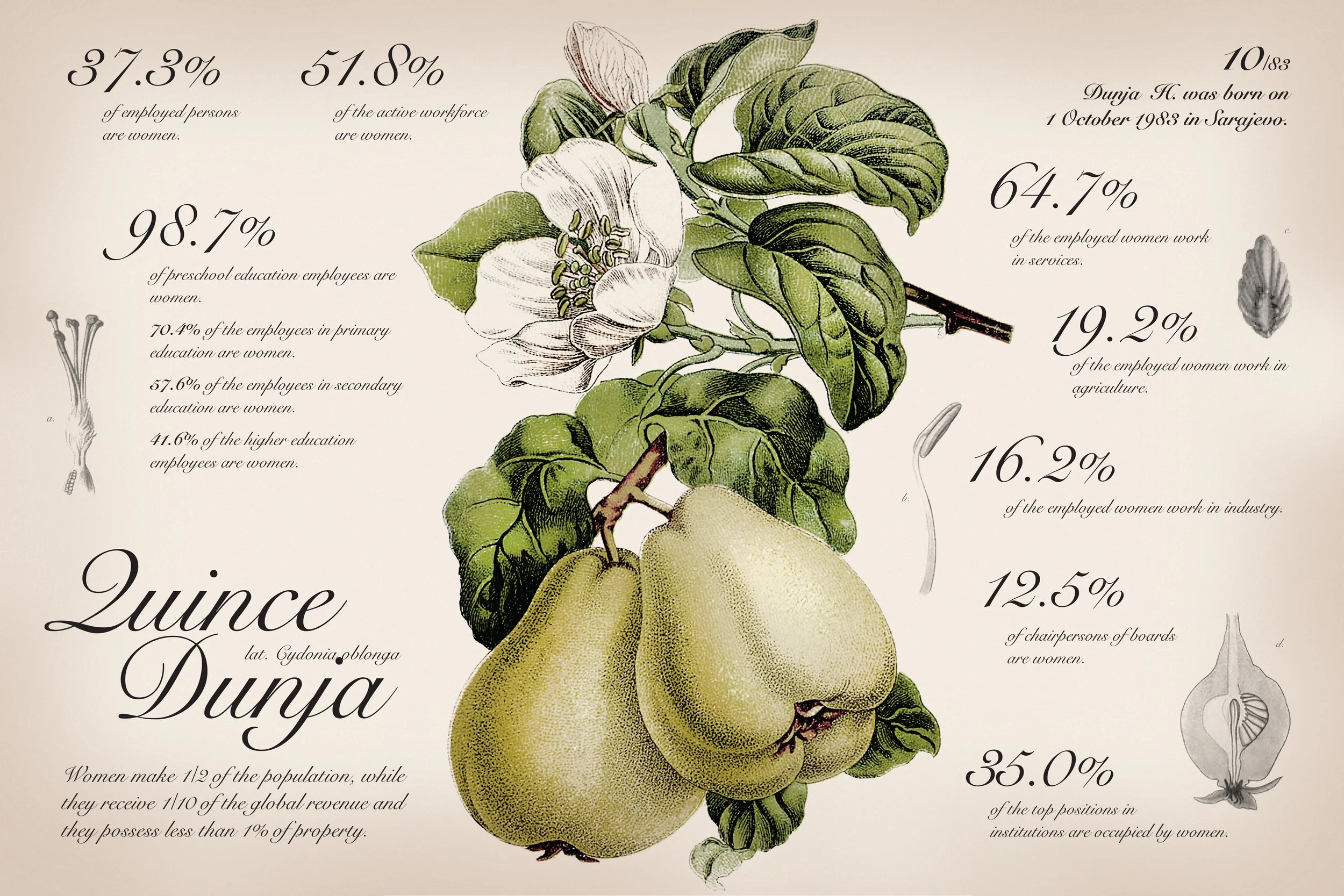
In The Nature of Statistics, Lana Čmajčanin poetically transforms statistical data on women’s lives in Bosnia and Herzegovina into a striking visual language. Inspired by nineteenth- and early twentieth-century herbariums—an era marking first-wave feminism—the work pairs delicate botanical illustrations with sociopolitical facts such as literacy rates, employment, domestic and sexual violence, and human trafficking. Each panel bears the names of women derived from fruits and flowers, humanizing abstract statistics and evoking the lives behind the data.
The installation juxtaposes the reproductive symbolism of flora, traditionally associated with femininity, with brutal contemporary statistics that expose normalized patterns of oppression, including restricted education, economic dependence, and political exclusion. By subverting botanical aesthetics, Čmajčanin challenges patriarchal narratives and invites critical reflection on systemic gender inequalities across both historical and contemporary contexts, reclaiming female voices from invisibility and disempowerment. Through this tension between beauty and violence, nature and data, the work compels confrontation with the hidden structures that sustain everyday inequality.
Lana Čmajčanin, The Nature of Statistics, series of digital prints, 2014–2020.
166 987 PRICKS
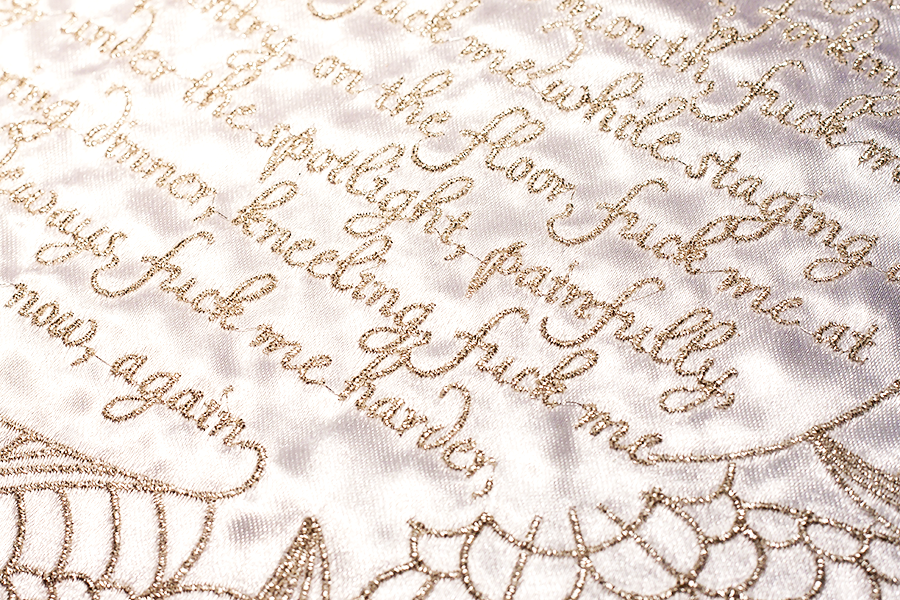
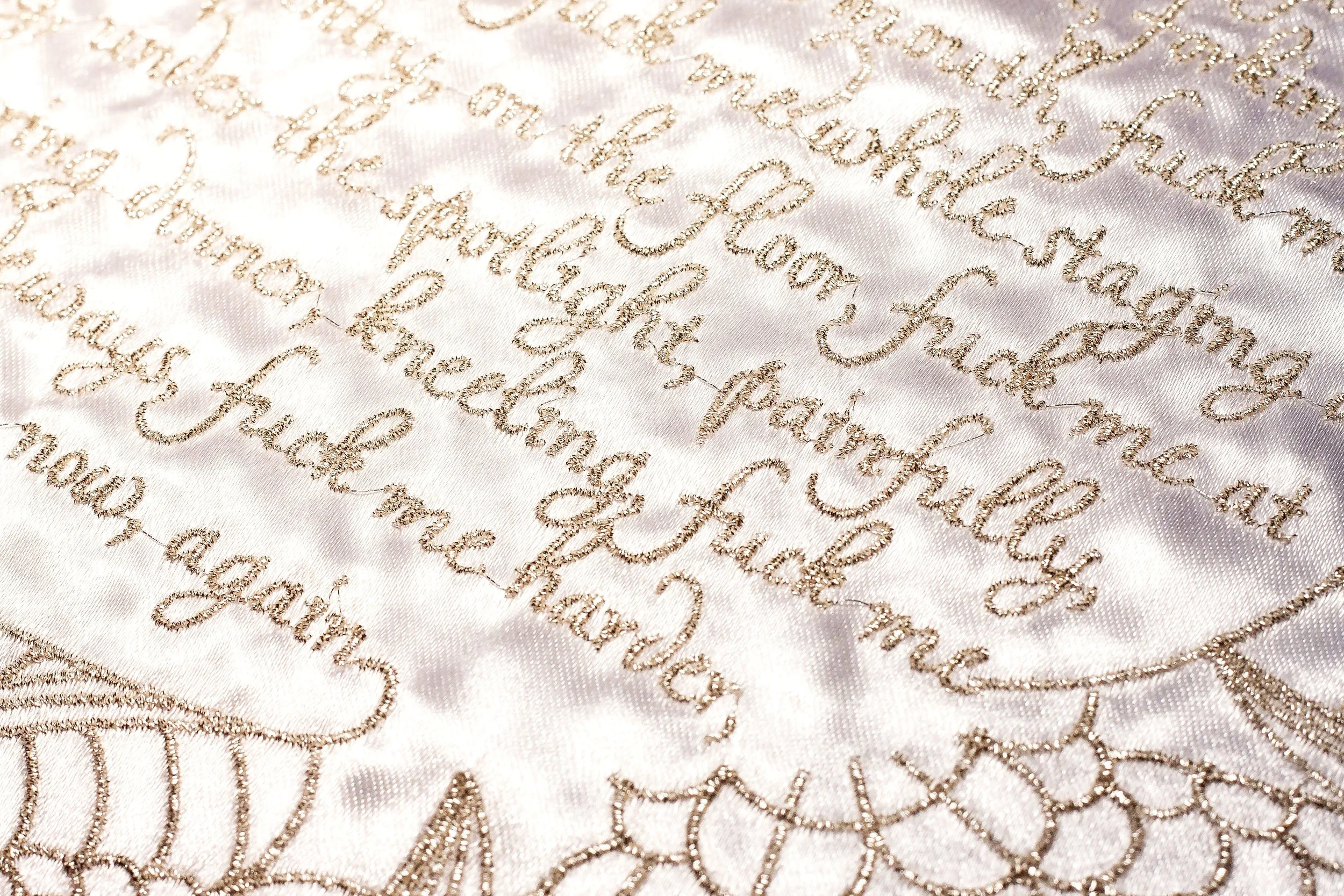
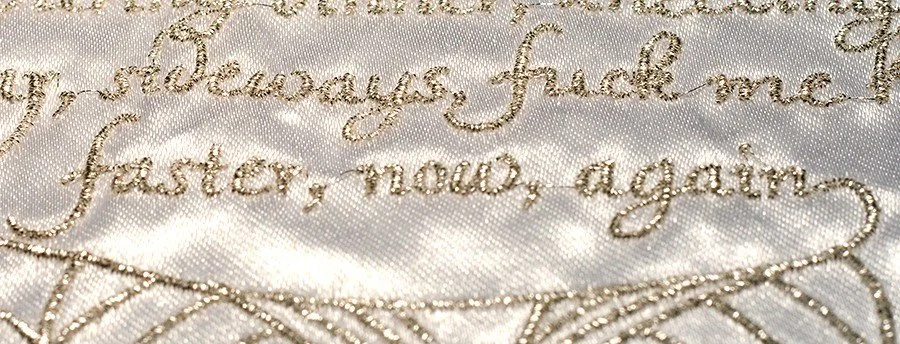
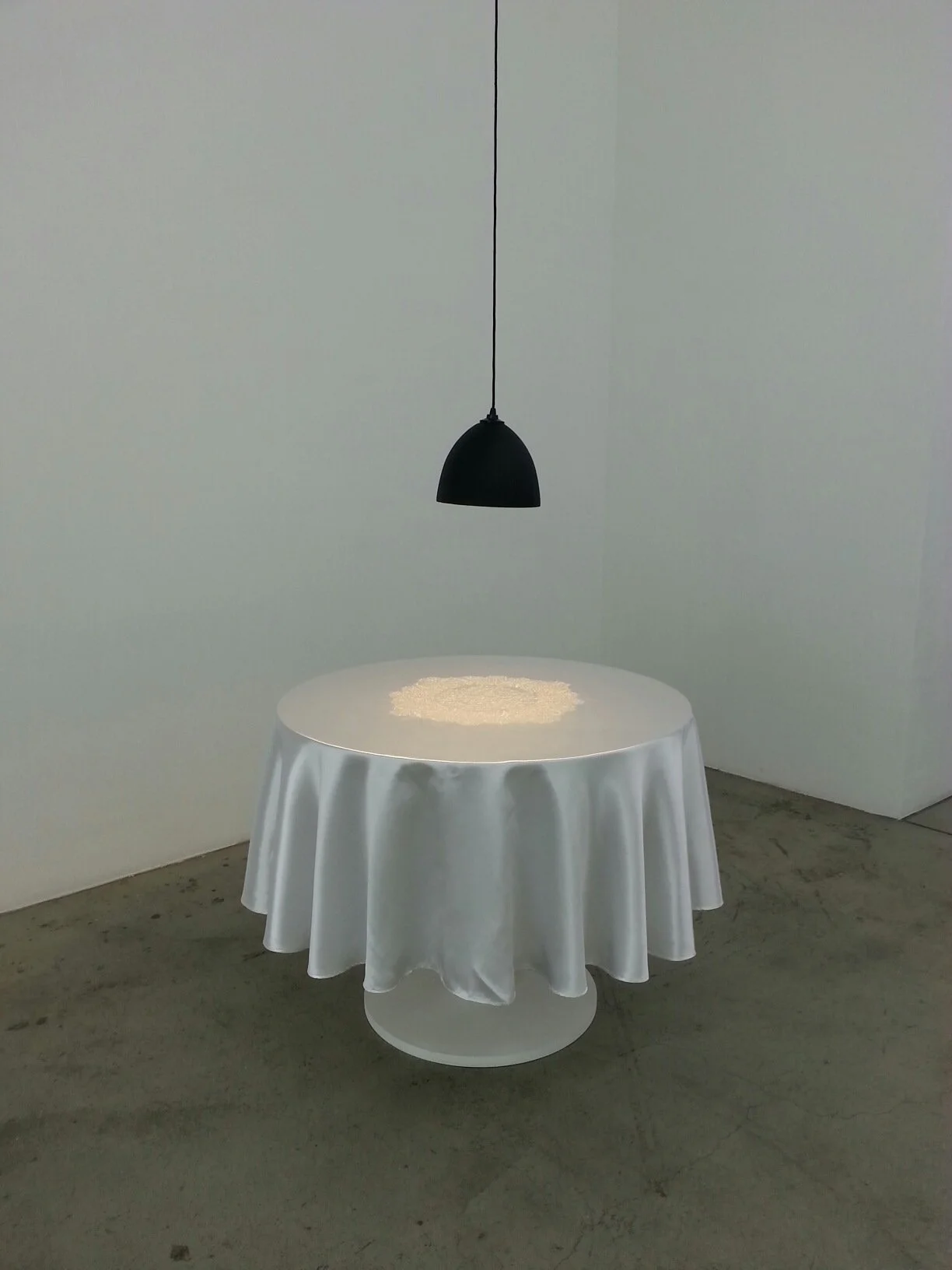
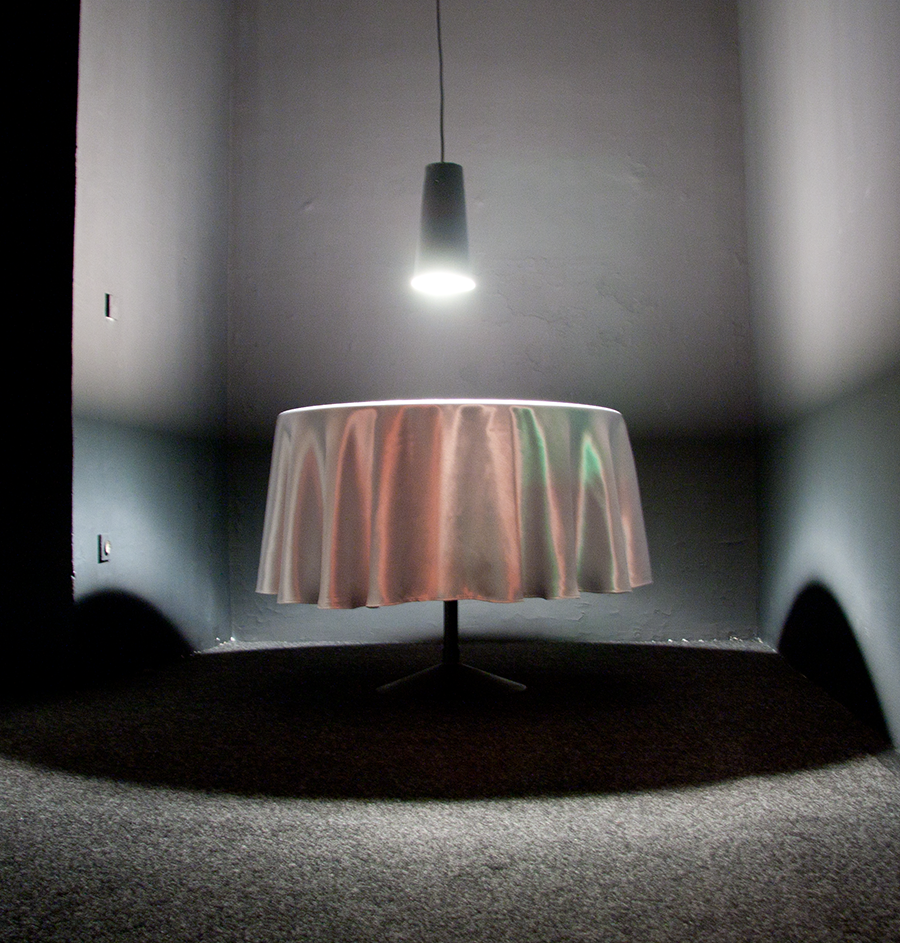
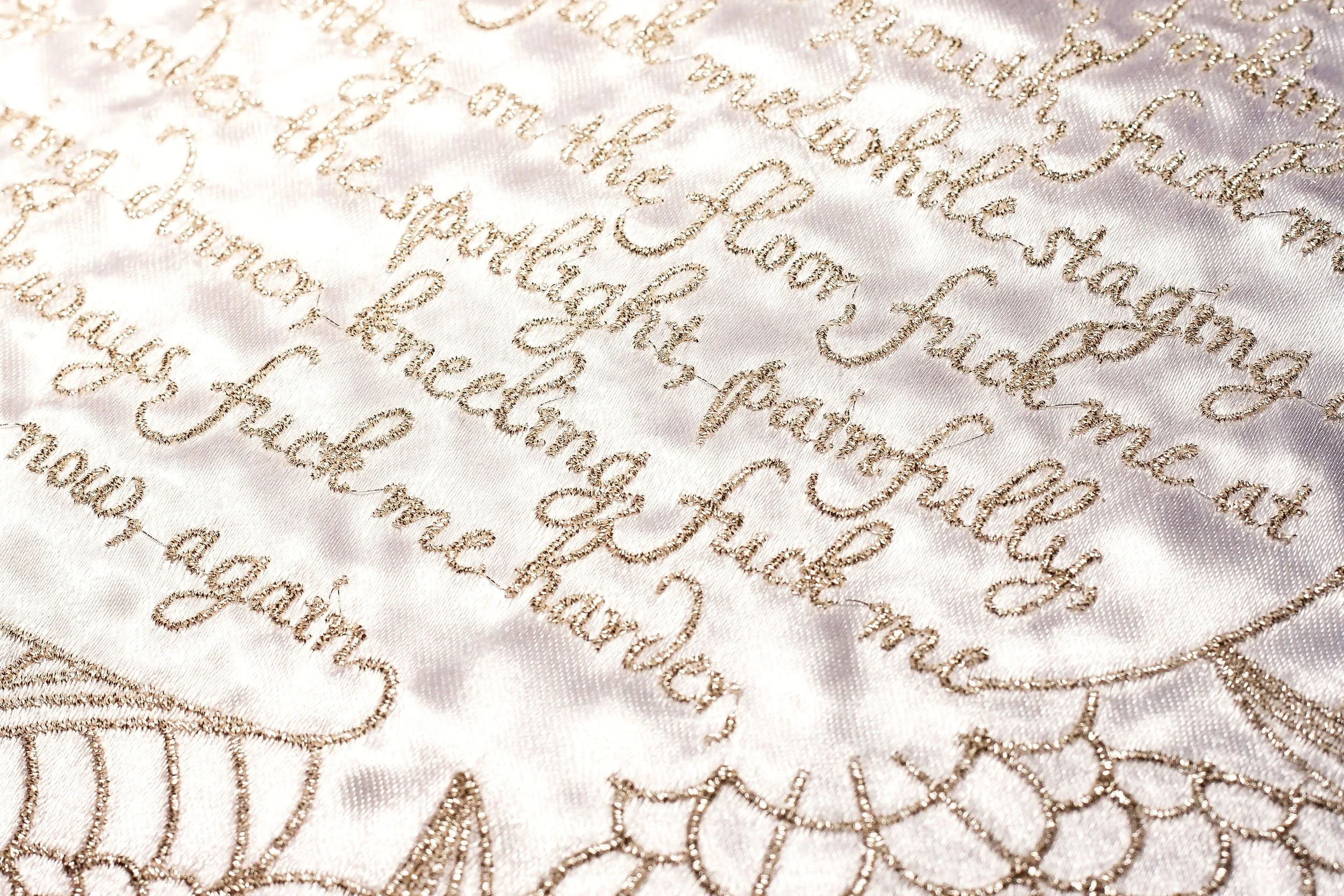
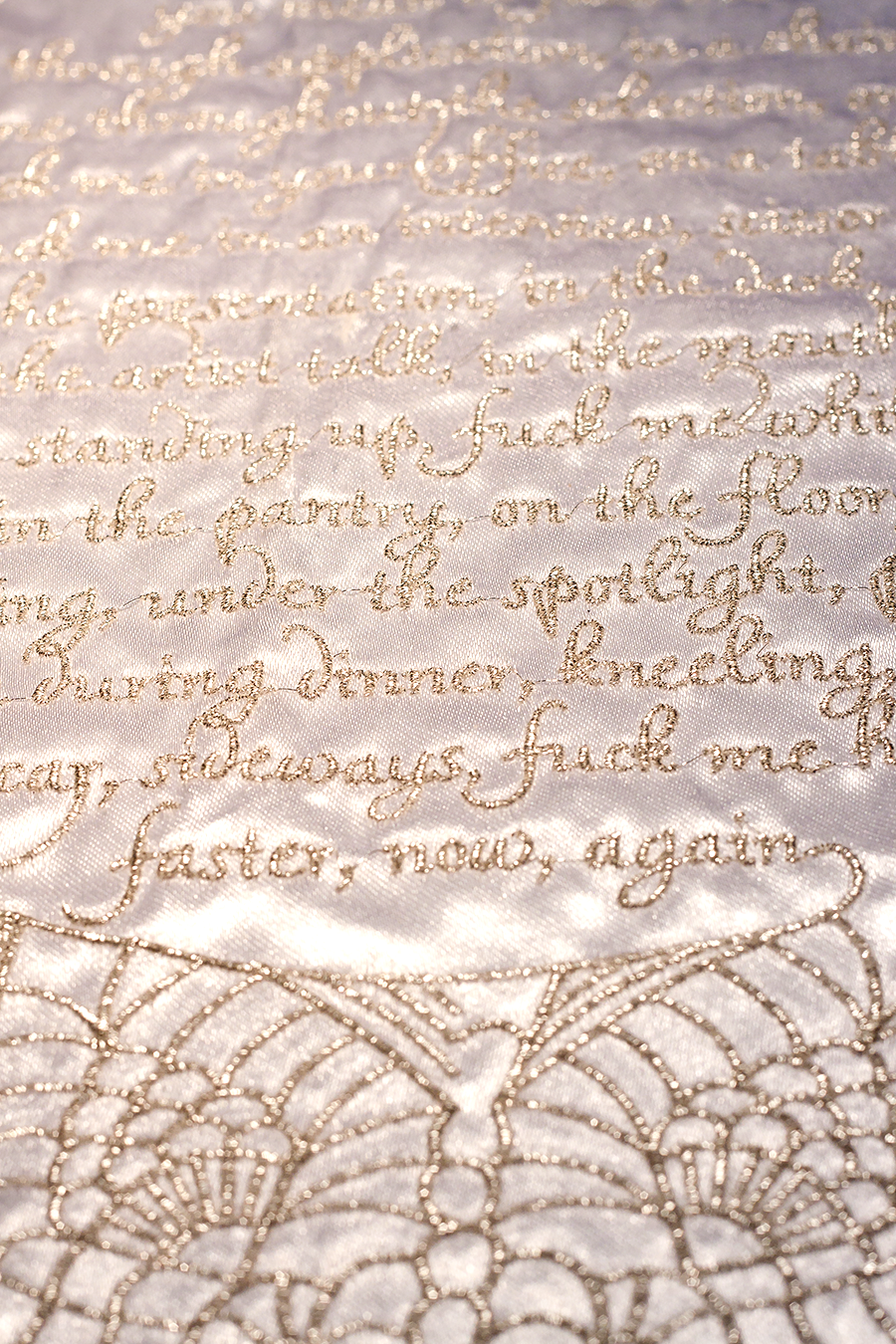
The work 166 987 Pricks, comprises a tablecloth embroidered with 166,987 needle punctures executed in lustrous silver thread, forming messages that are deliberately difficult to decipher. The English word “prick” — used here to describe the act of stitching — intentionally evokes its vulgar double meaning, linking physical gesture to linguistic provocation. The text produces a loop of desire and intrusion, where erotic tension converges with the discomfort of public exposure and shame. Through its interplay of language, material, and form, the work addresses the persistent sexual hierarchies, unreasonable demands, and gendered expectations to which women in the art world are subjected. Čmajčanin positions the relationship between artistic labour, the (female) creator, and the spectator as a scene of both vulnerability and confrontation.
166,987 Pricks emerges as a pointed critique of the still deeply patriarchal structures of the art system, exposing how female artists are sexualised, objectified, and marginalised under the guise of professional and aesthetic exchange. With an approach that is both conceptual and sensuous, Čmajčanin transforms the decorative into the political — her countless “pricks” illuminating, with incisive irony, the gendered power dynamics that continue to shape artistic production and recognition.
Lana Čmajčanin, 166 987 Pricks, embroidered silk with gold thread, 2013.
DON’T DREAM DREAMS
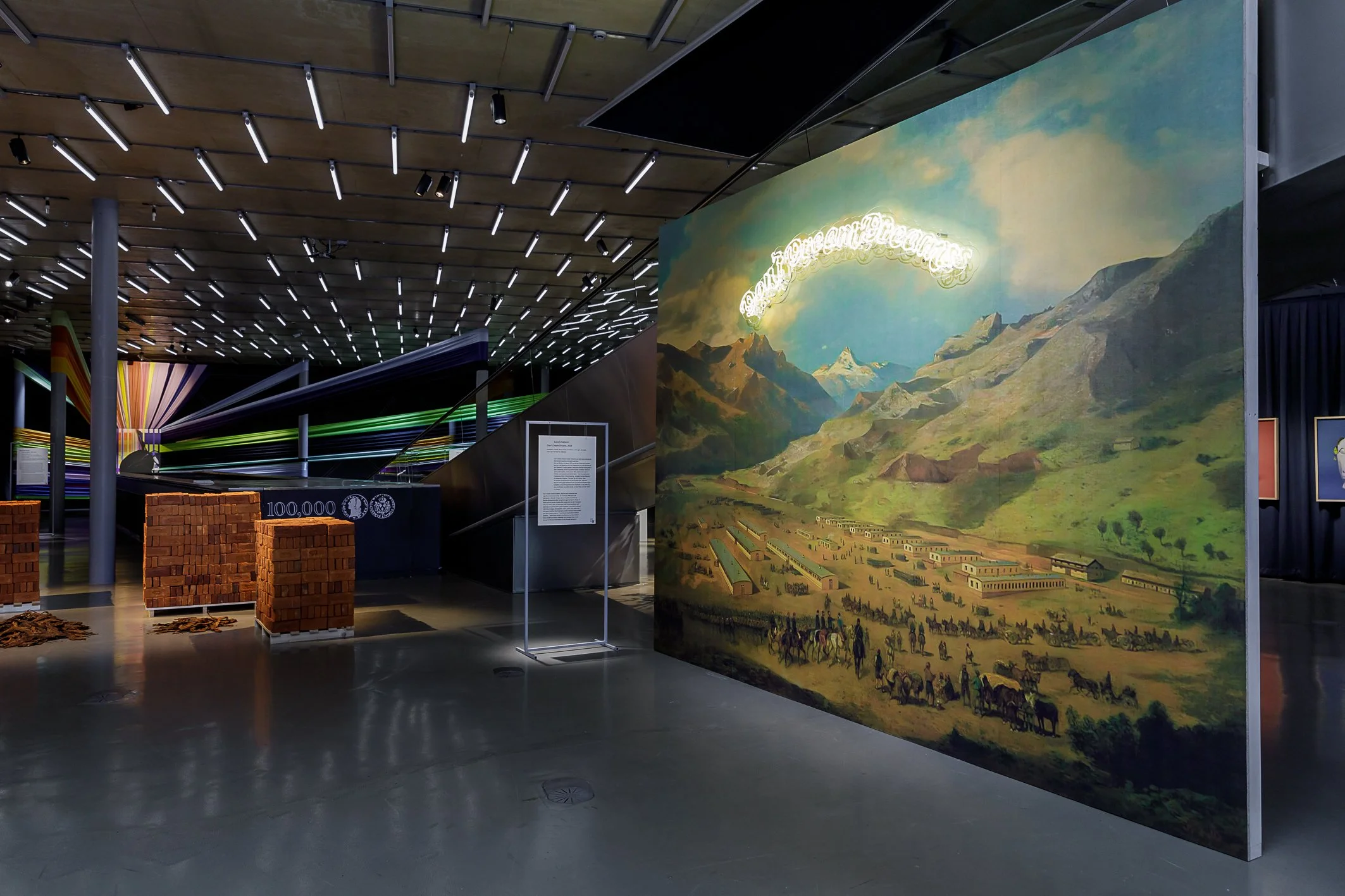
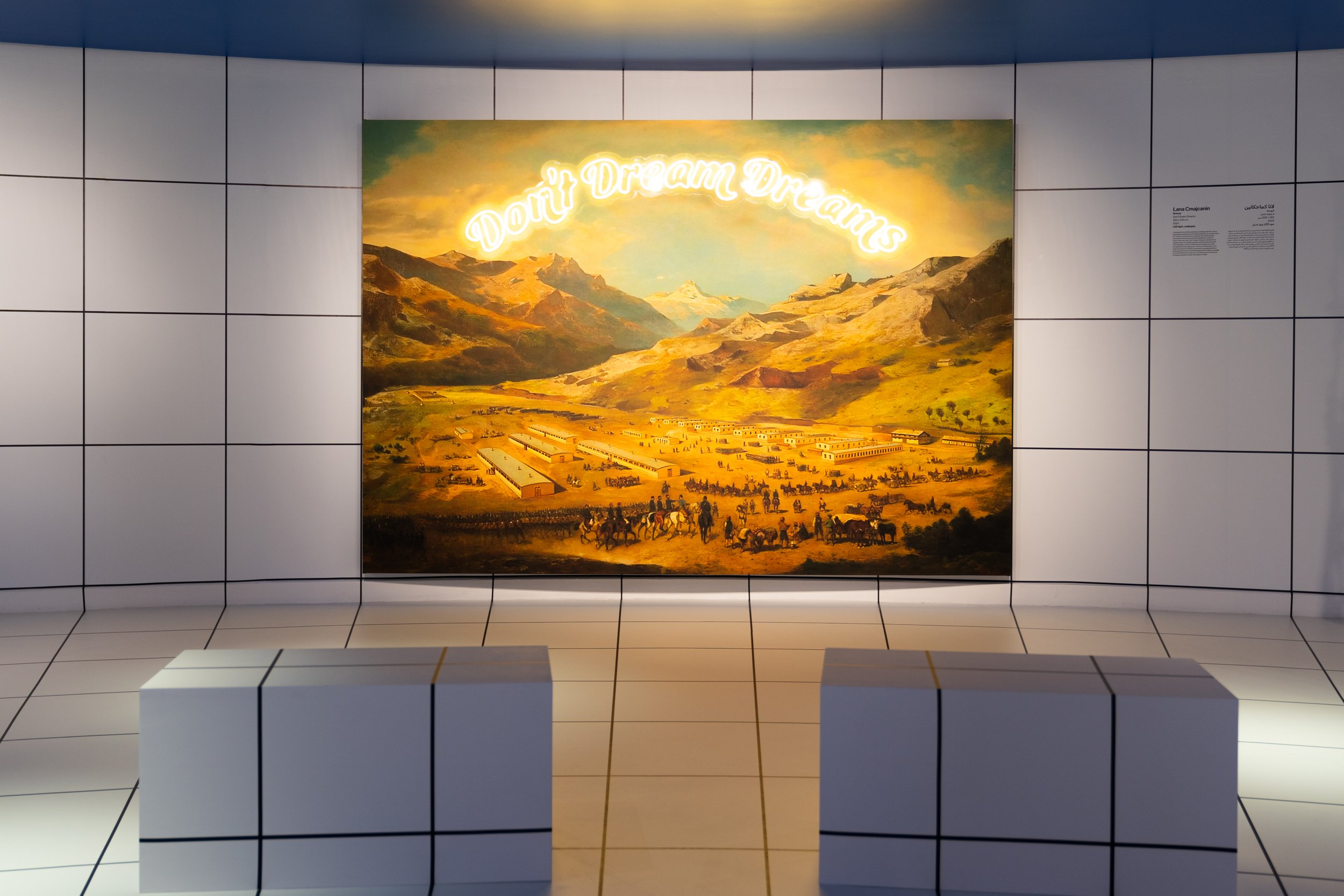
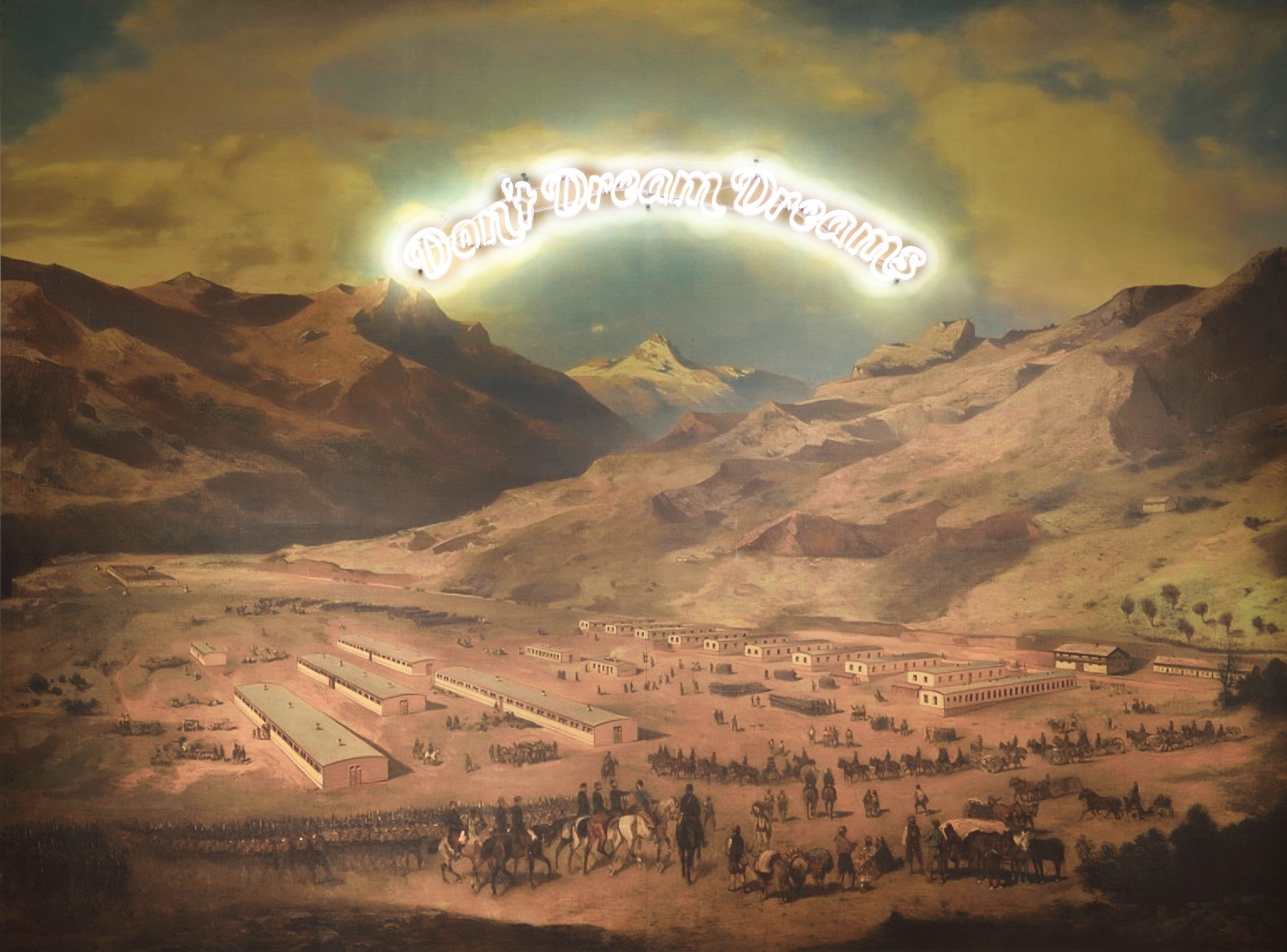
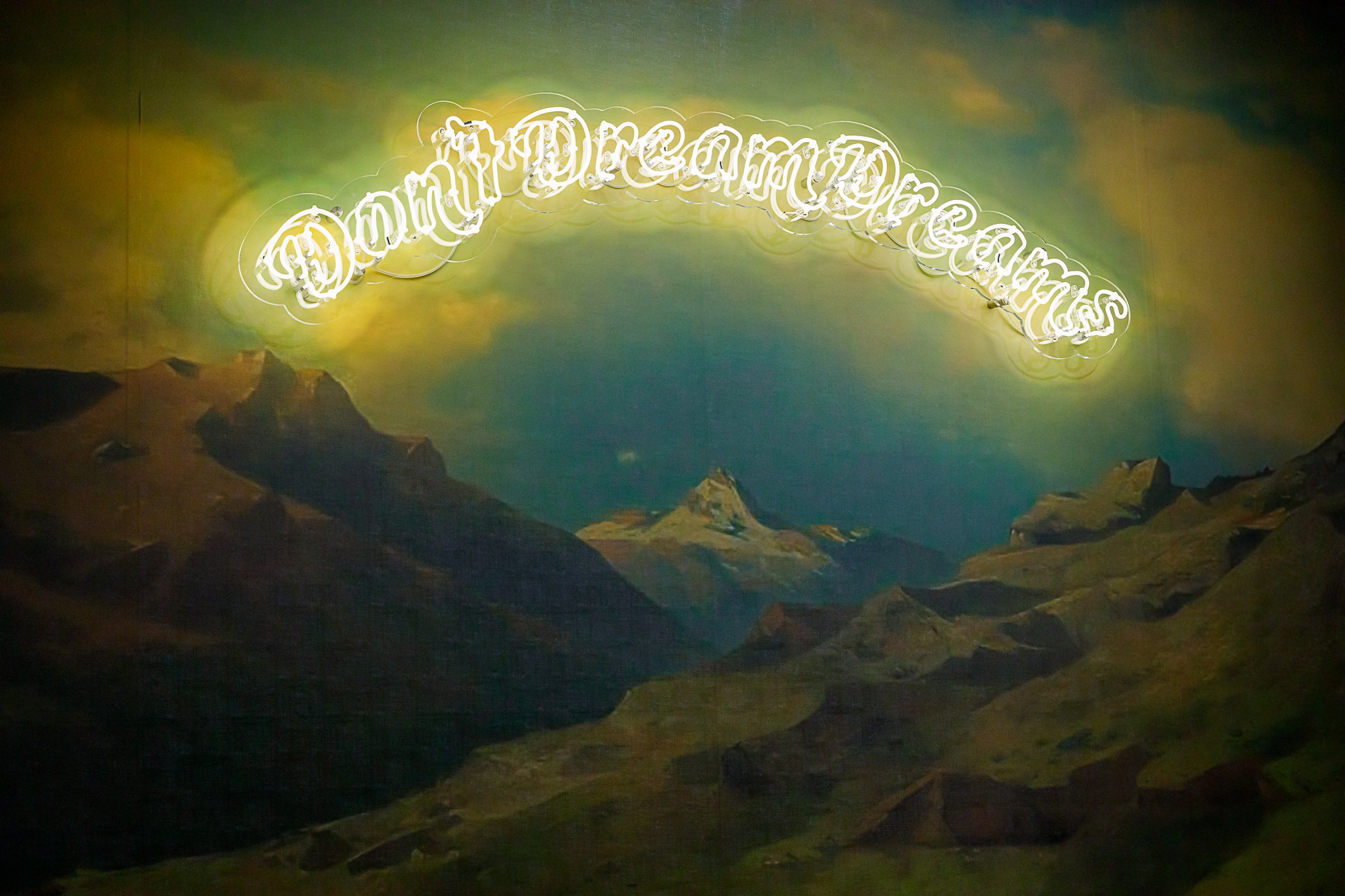
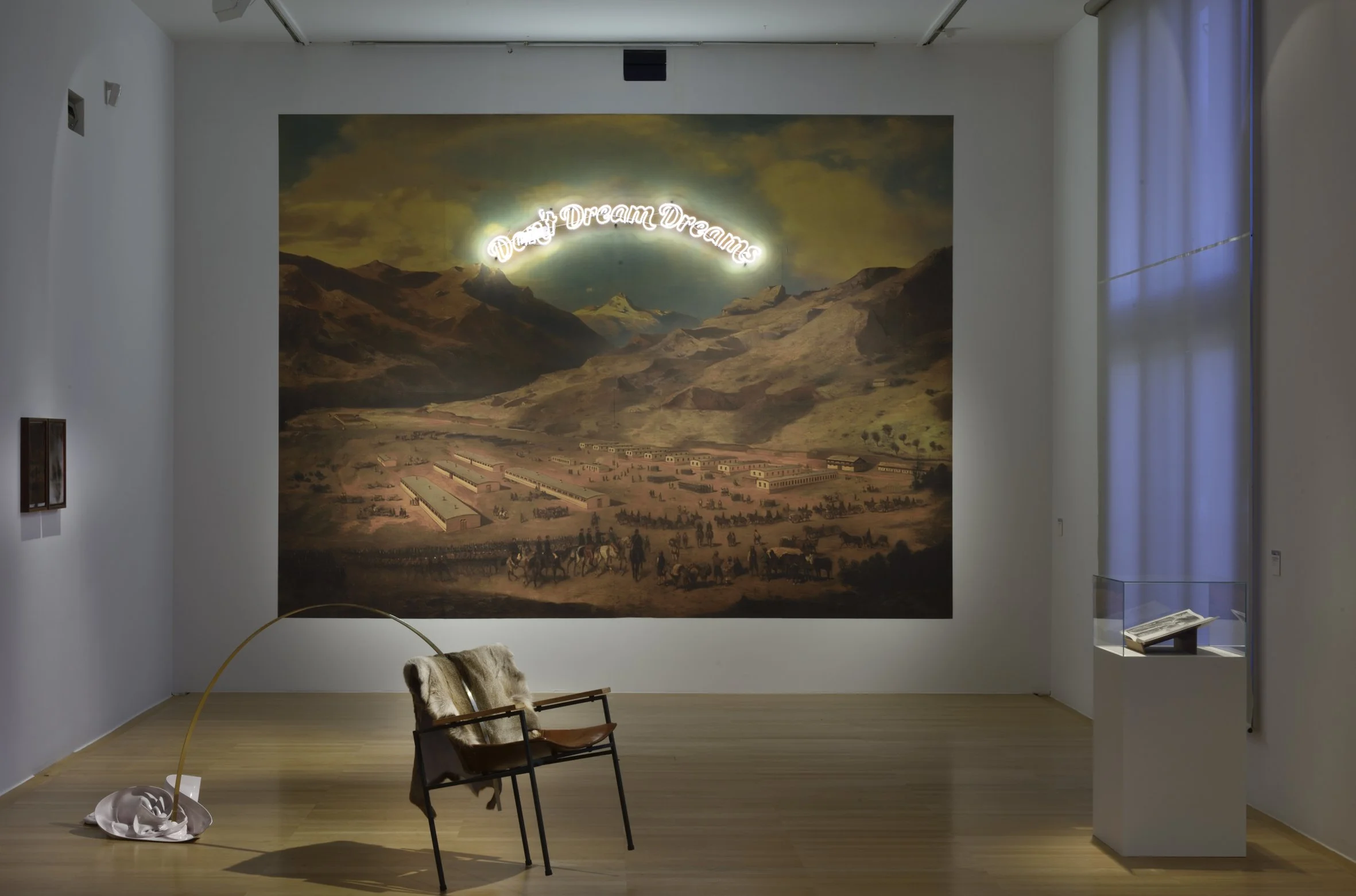
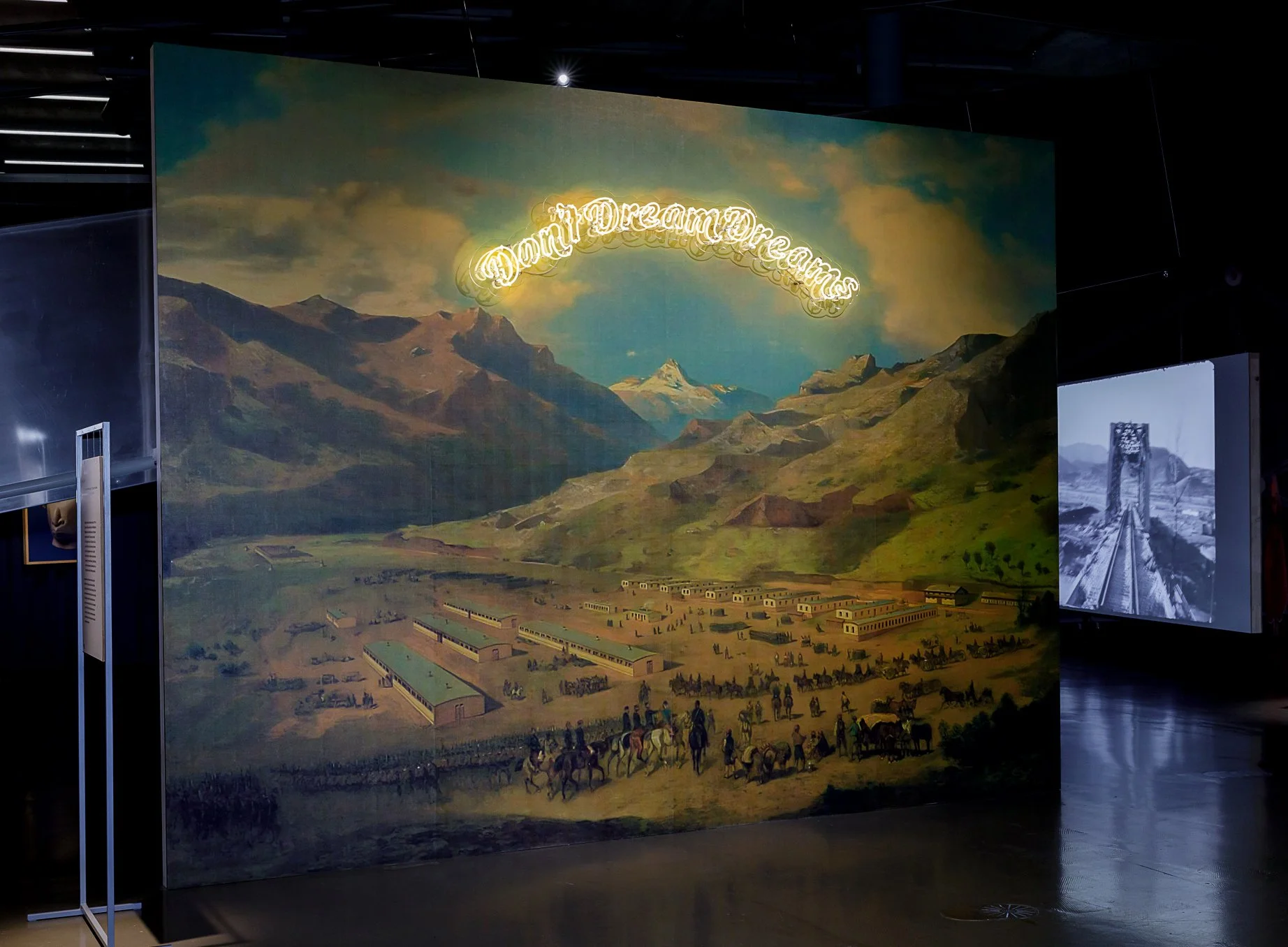
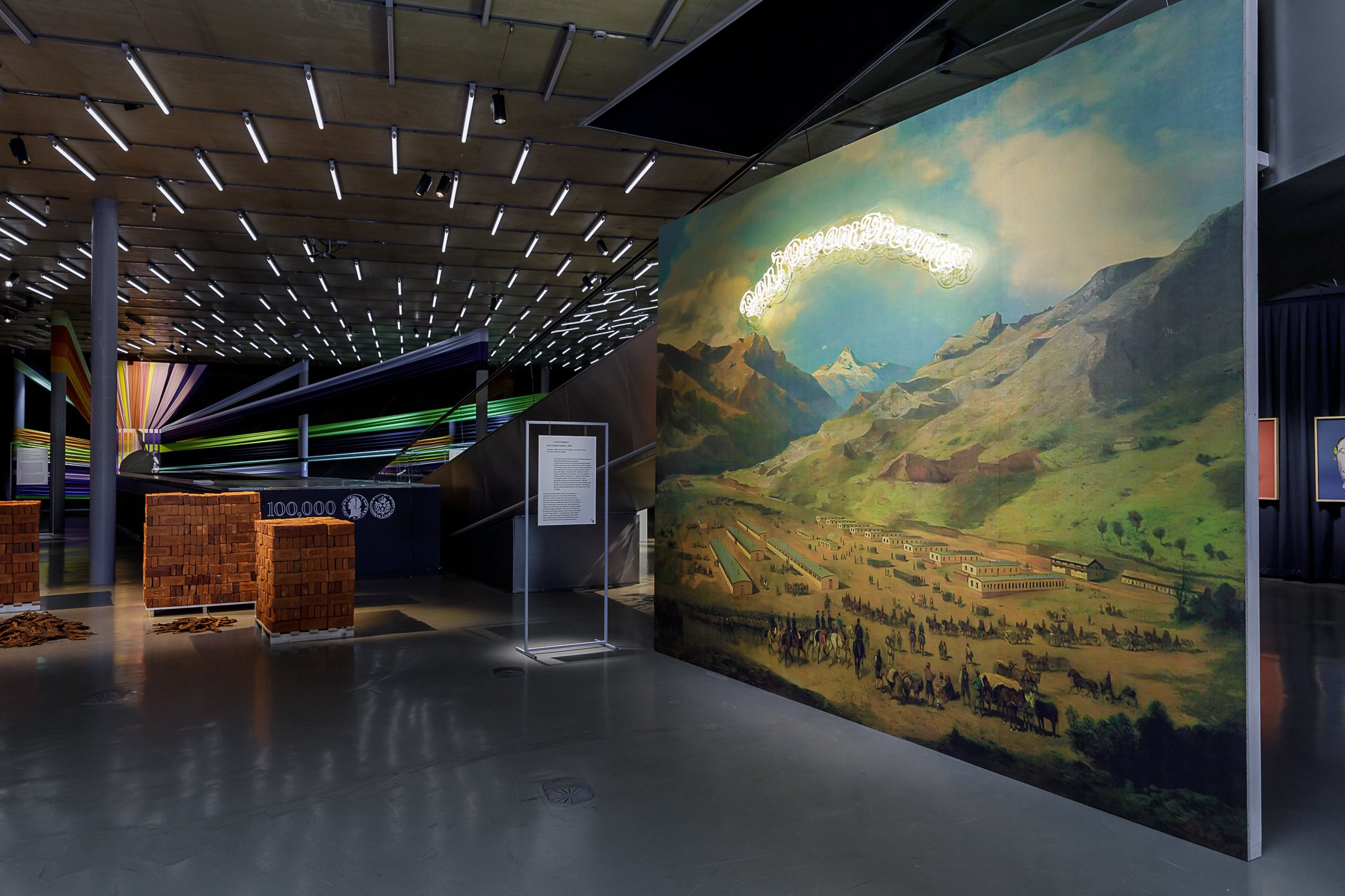
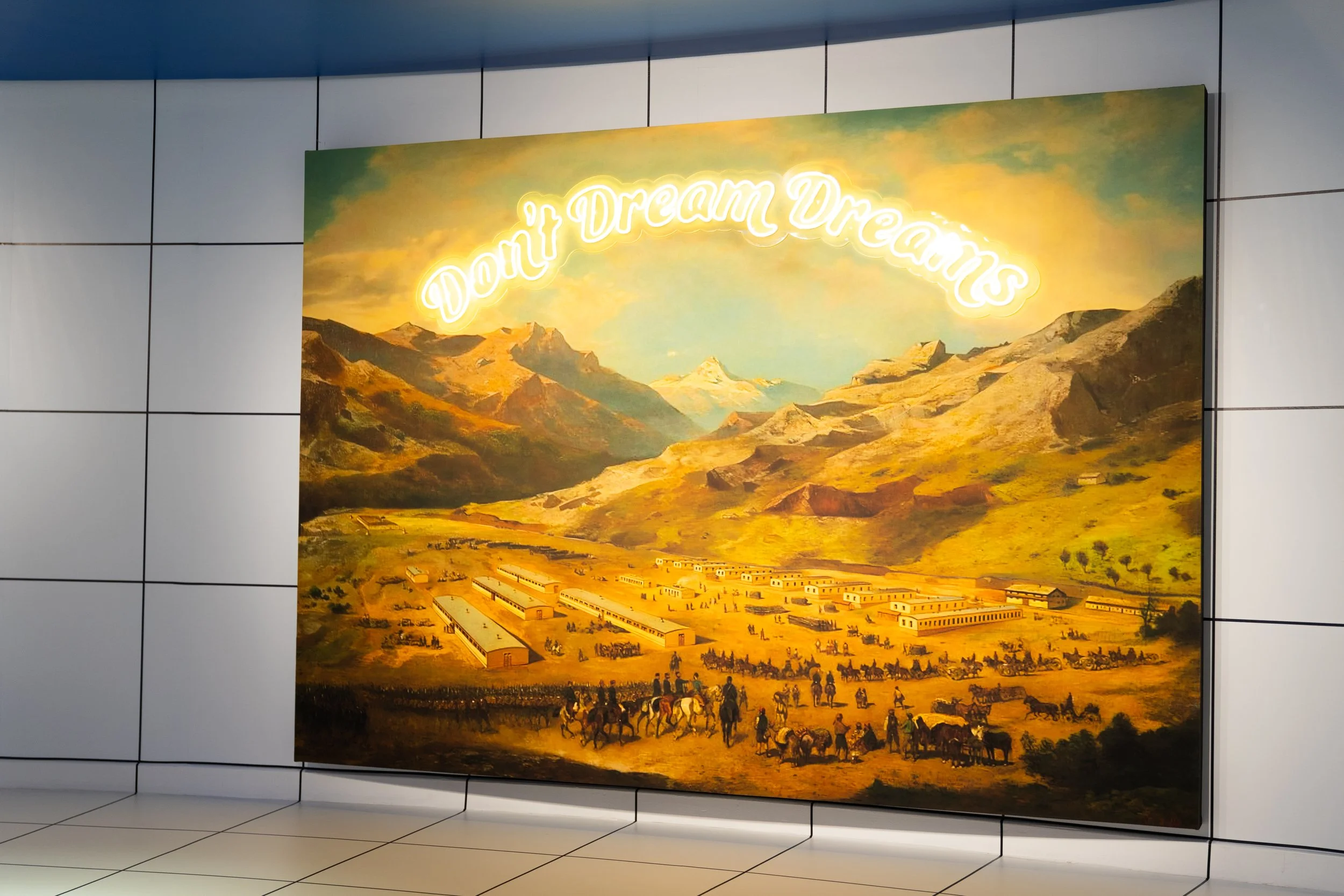
In Don’t Dream Dreams, Lana Čmajčanin overlays a 19th-century panoramic painting of a military encampment with glowing neon words that float like a fragile admonition across the painted sky. The romanticized landscape, once a projection of power and expansion, becomes the stage for an ironic and melancholic reflection on disillusionment and the collapse of collective ideals. The phrase “Don’t Dream Dreams” echoes both as a warning and a lament—an articulation of deferred utopias and suspended hopes that mark the post-Yugoslav condition. By juxtaposing the seductive optimism of light with the heavy imagery of empire and conquest, Čmajčanin exposes how dreams—national, social, or personal—can be disciplined, silenced, or erased. Her gesture reclaims the act of dreaming as a form of resistance against historical and political amnesia.
Lana Čmajčanin, Don’t Dream Dreams, installation, neon light on canvas print, 2023.
ANATOMY OF SPEECH
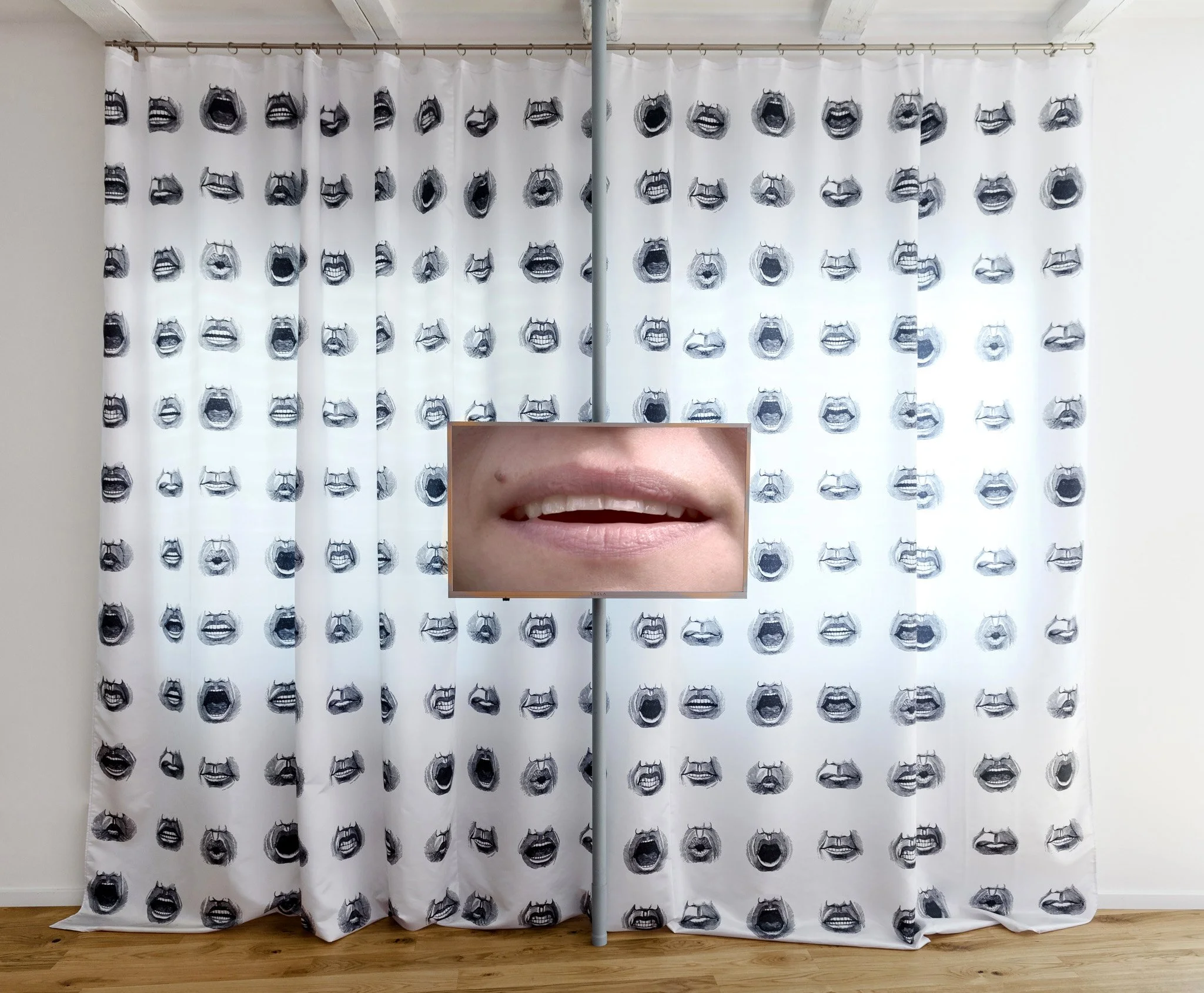
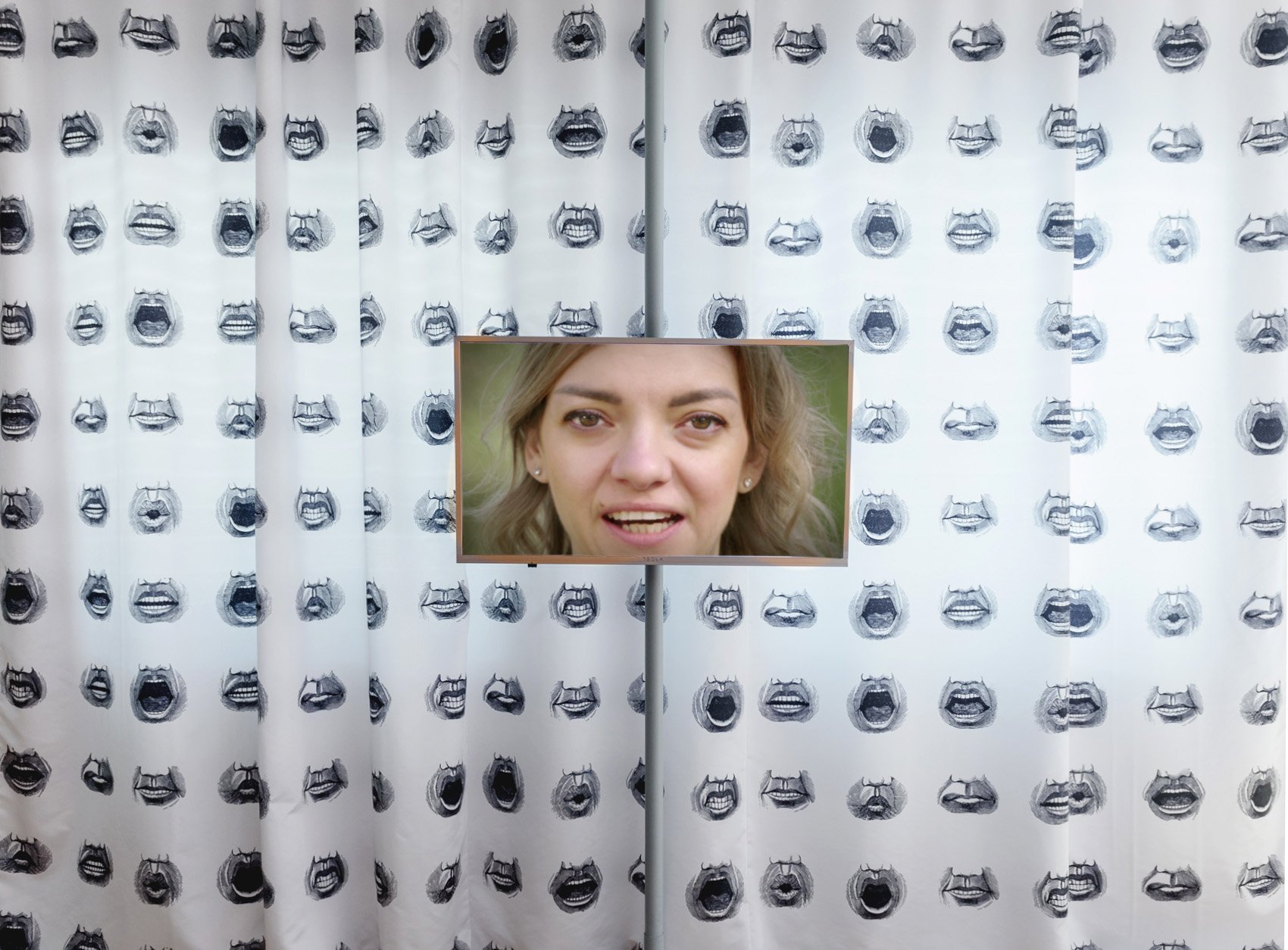
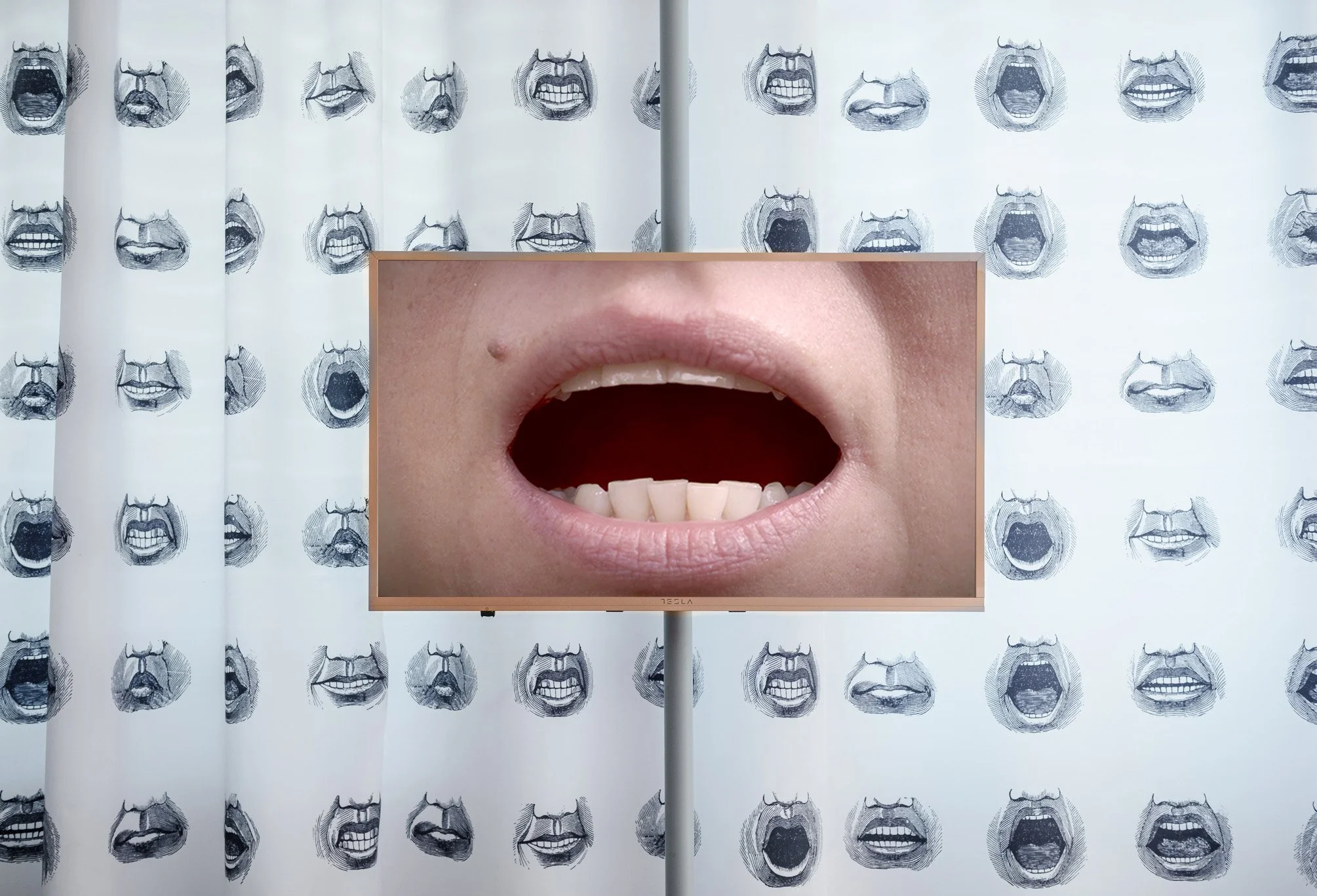
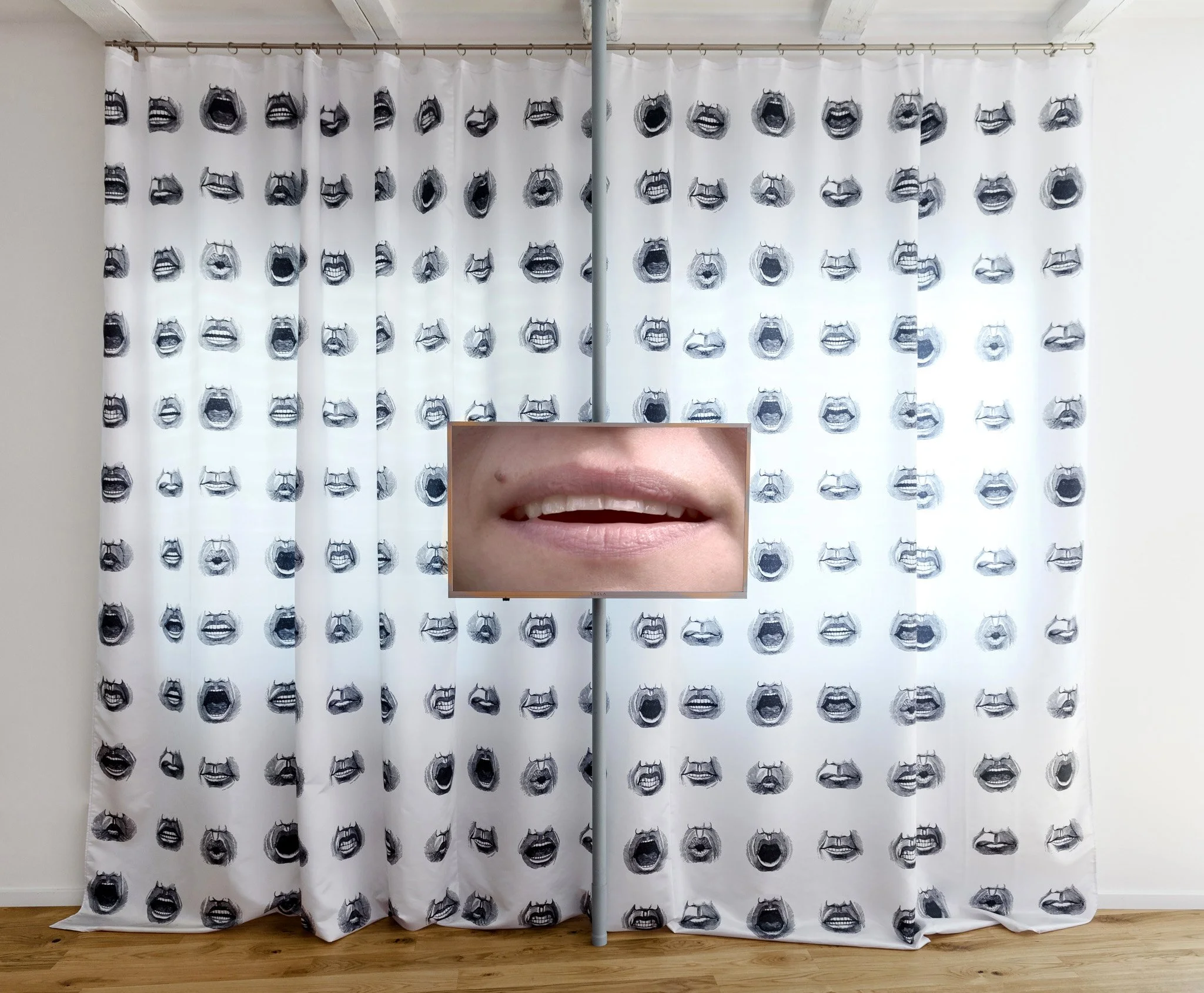
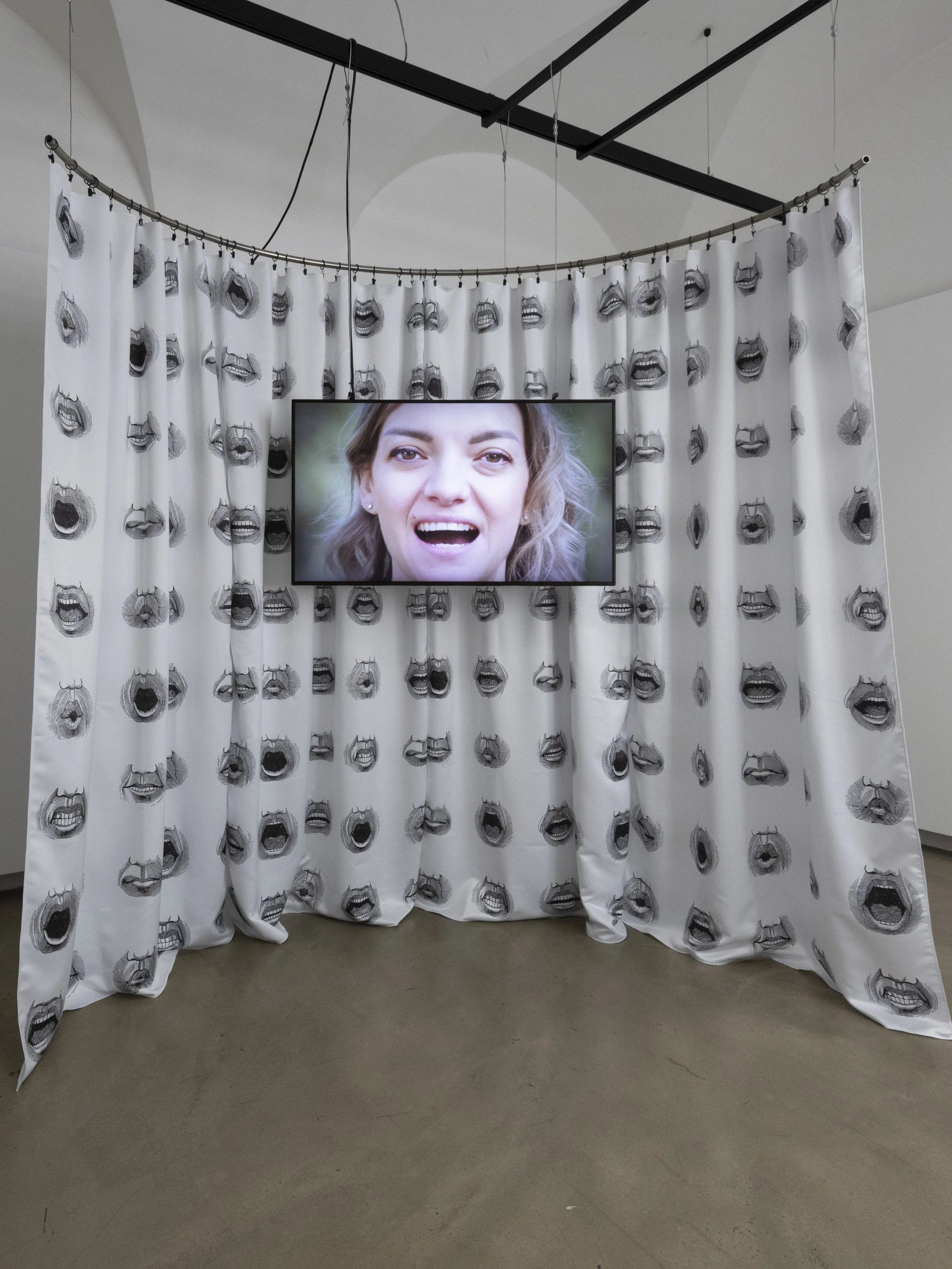
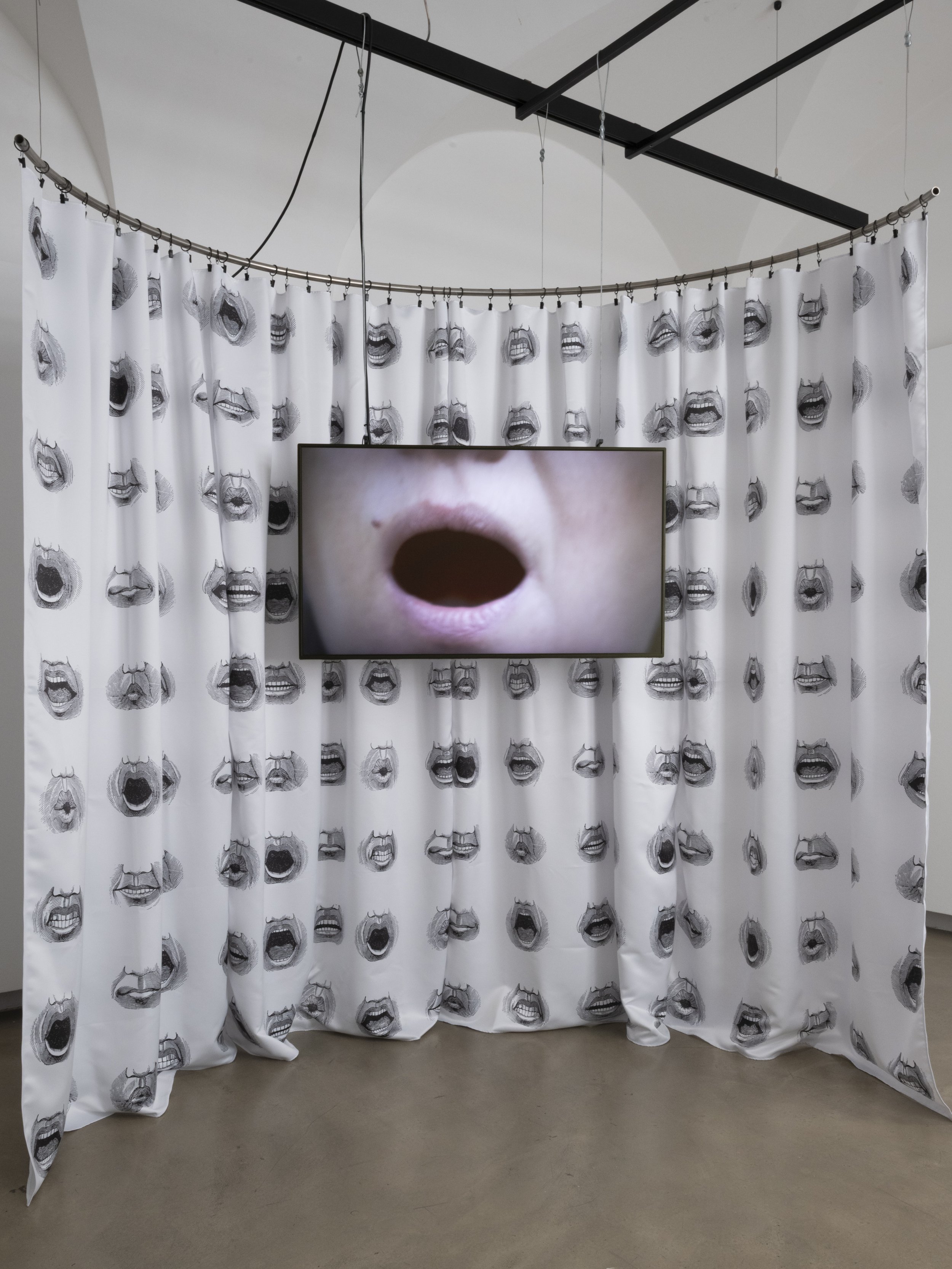
Anatomy of Speech explores the transformation of voice into logos, tracing the fragile threshold between the body and language. Centering on the soprano—the female voice at its highest and most vulnerable register—the work examines the limits of articulation, vocal dysfunction, and the politics embedded in the act of speaking. The installation brings together a video of a soprano performing a phonopoetic composition derived from speech therapy exercises, an arrhythmic poem resonating with the legacy of Dadaist concrete poetry, and a large textile that visualizes articulatory movements.
Drawing on Dada’s radical critique of language and meaning, Čmajčanin reflects on how linguistic systems shape identity and exclusion, particularly within post-socialist and ethnonational contexts. By invoking the idea of a tabula rasa—a return to origins where voice precedes words—Anatomy of Speech imagines a new, shared language freed from grammatical, political, and national bounderies.
Lana Čmajčanin, Anatomy of Speech, installation, HD video, textile, digital print, 2022.
FN M1910
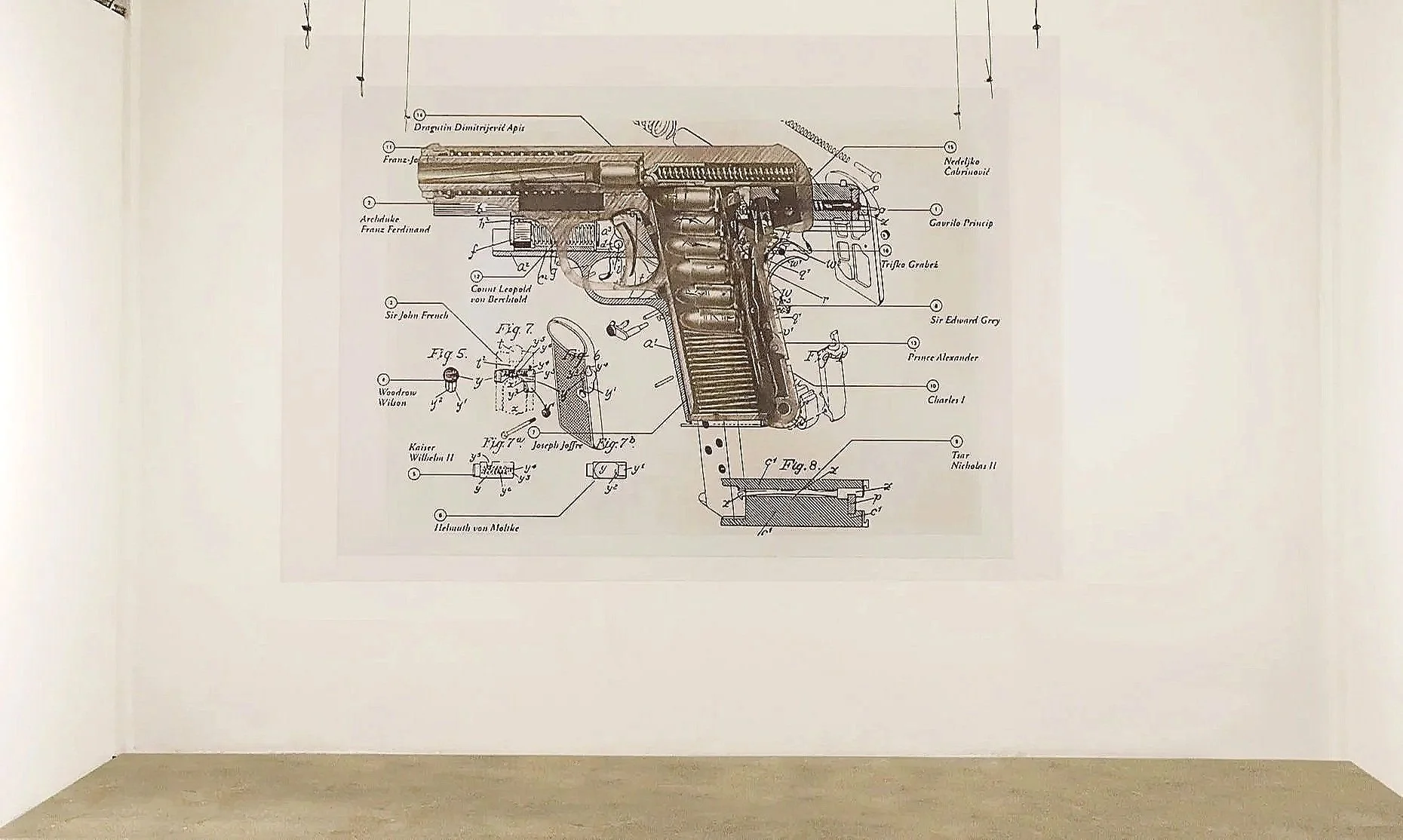
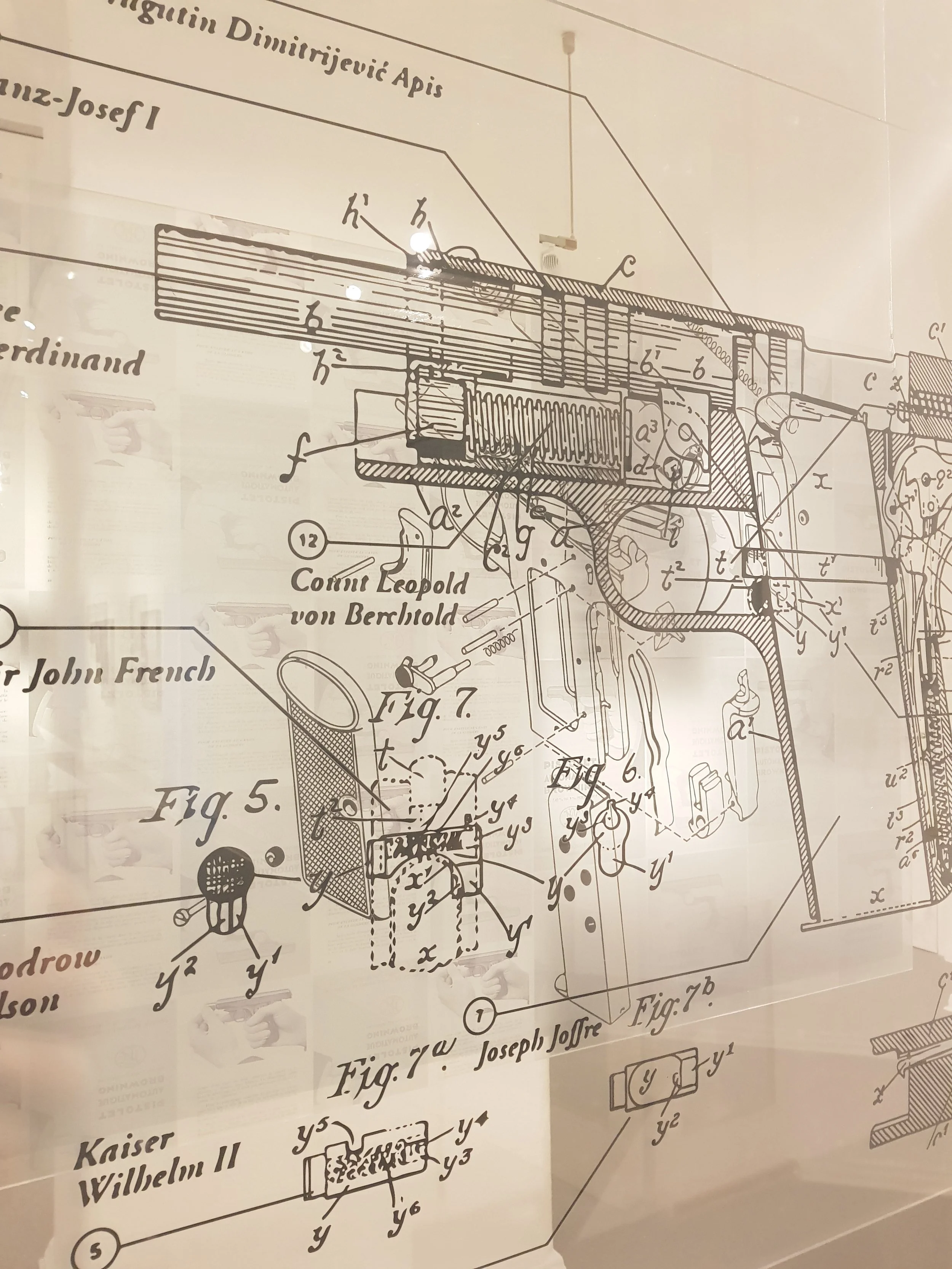
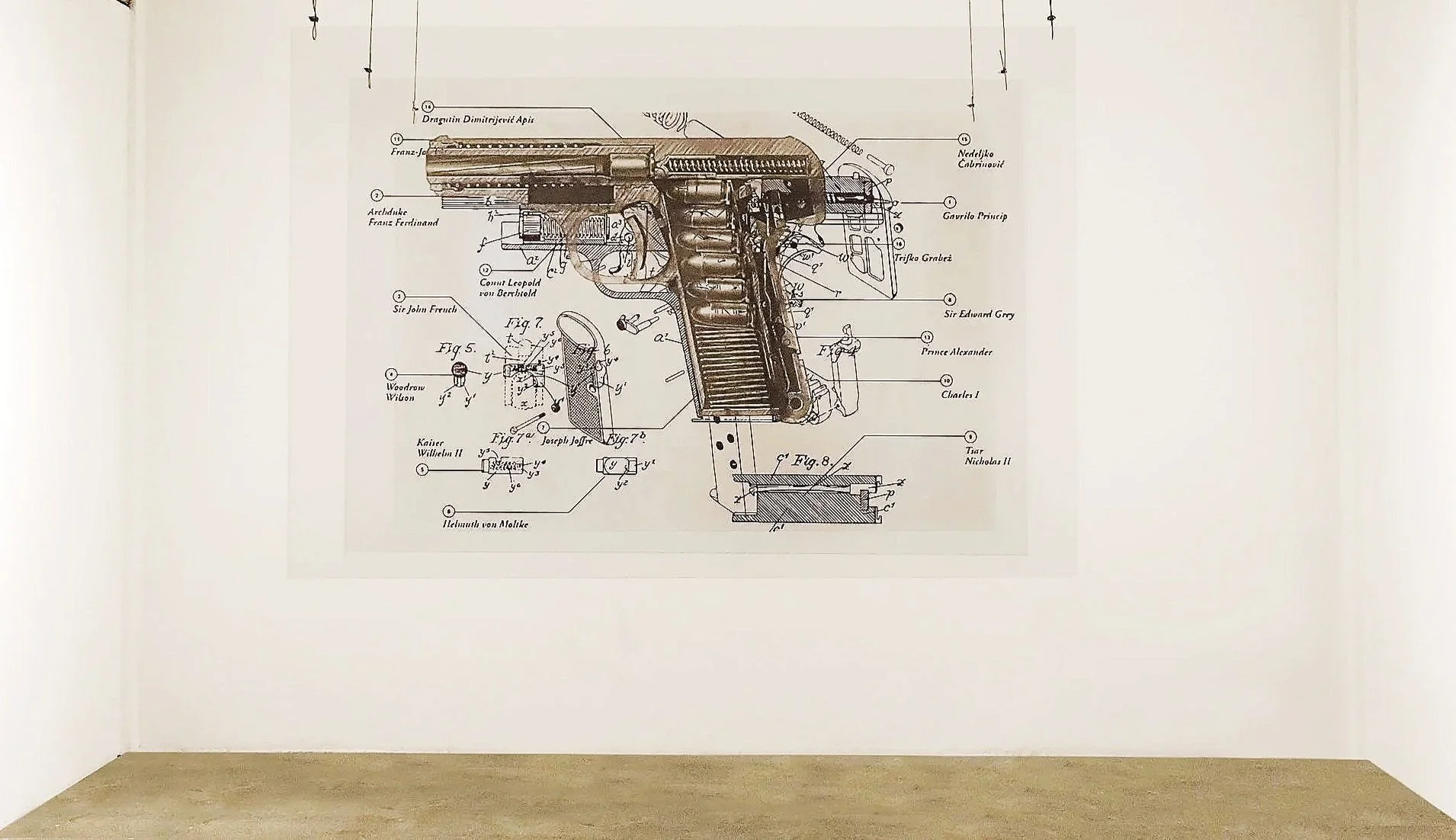
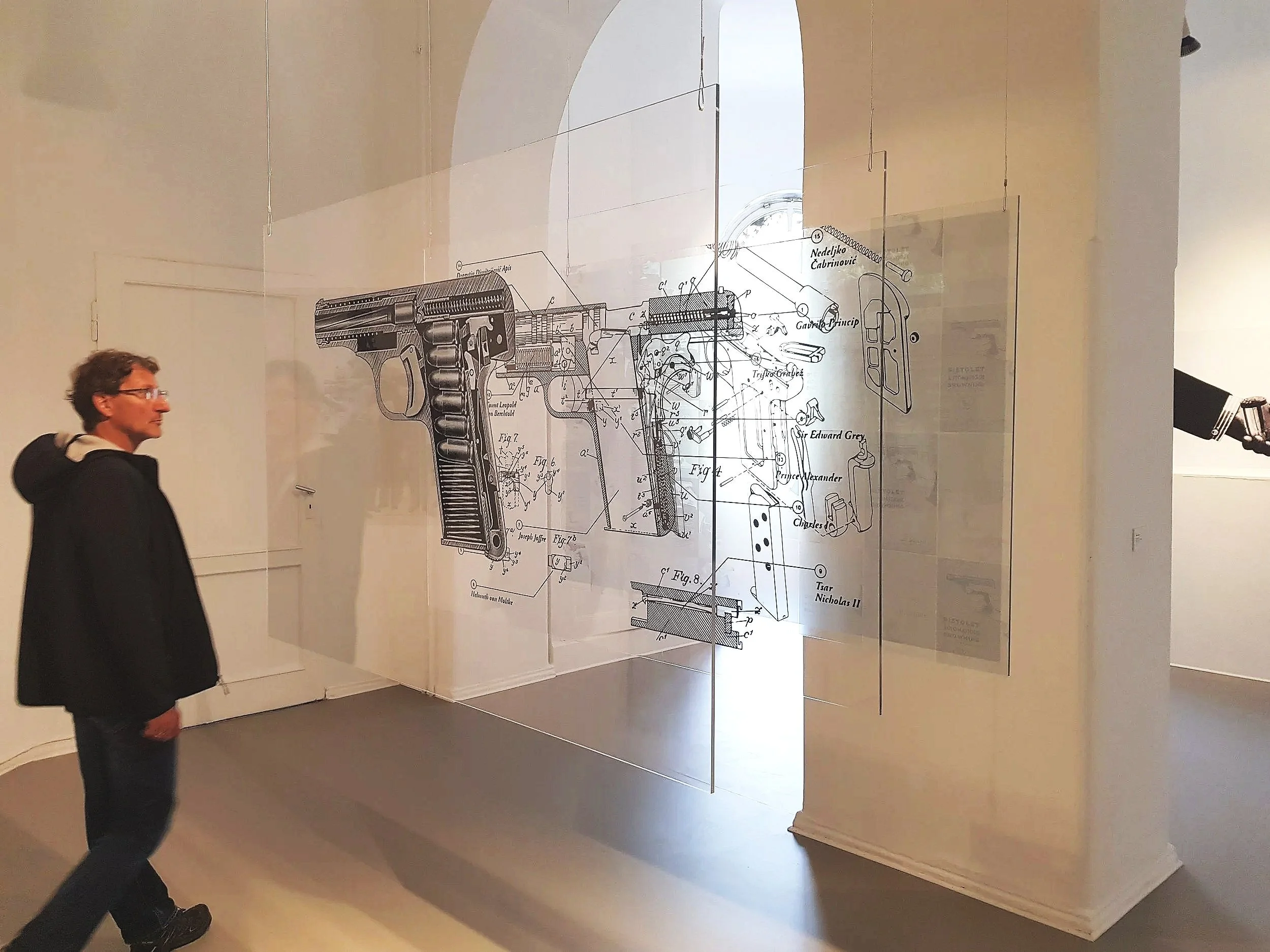
In FN M1910, the artist reverses the position of an “object” into a historical “subject” to explore how arms production and the military industry construct their own historical narratives. The work revisits the story of Gavrilo Princip, whose assassination of Archduke Franz Ferdinand in Sarajevo, 1914, marked the beginning of the First World War, the fall of the Austro-Hungarian Empire, and the birth—yet eventual collapse—of the first Yugoslavia. Rendered as a technical drawing and map, the piece charts the trajectory of the FN Model 1910 pistol—from its manufacture in Belgium to its use in political assassinations—exposing the persistence of weapons beyond their historical moment. Advertising aesthetics and instructional diagrams echo the language of production and promotion, contrasting with the violence such design enables.
By transforming the pistol’s anatomy into the anatomy of war, FN M1910 confronts the viewer with the entanglement of technology, ideology, and history, revealing how industrial objects shape and sustain political conflict.
Lana Čmajčanin, FN M1910, installation, UV print on plexiglass, 104.5 × 150 × 0.8 cm, 2014.
ONCE WE WERE BROTHERS
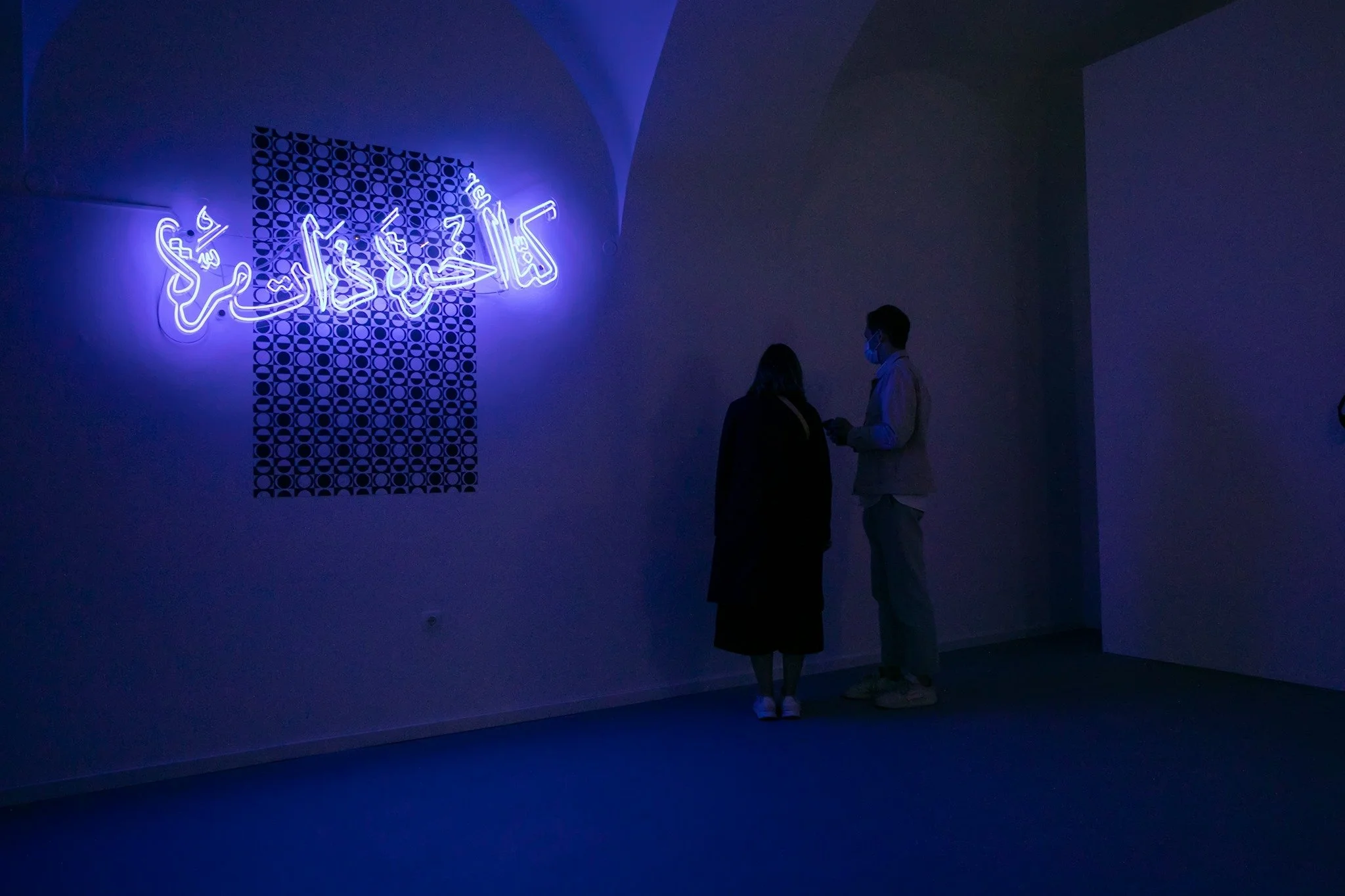
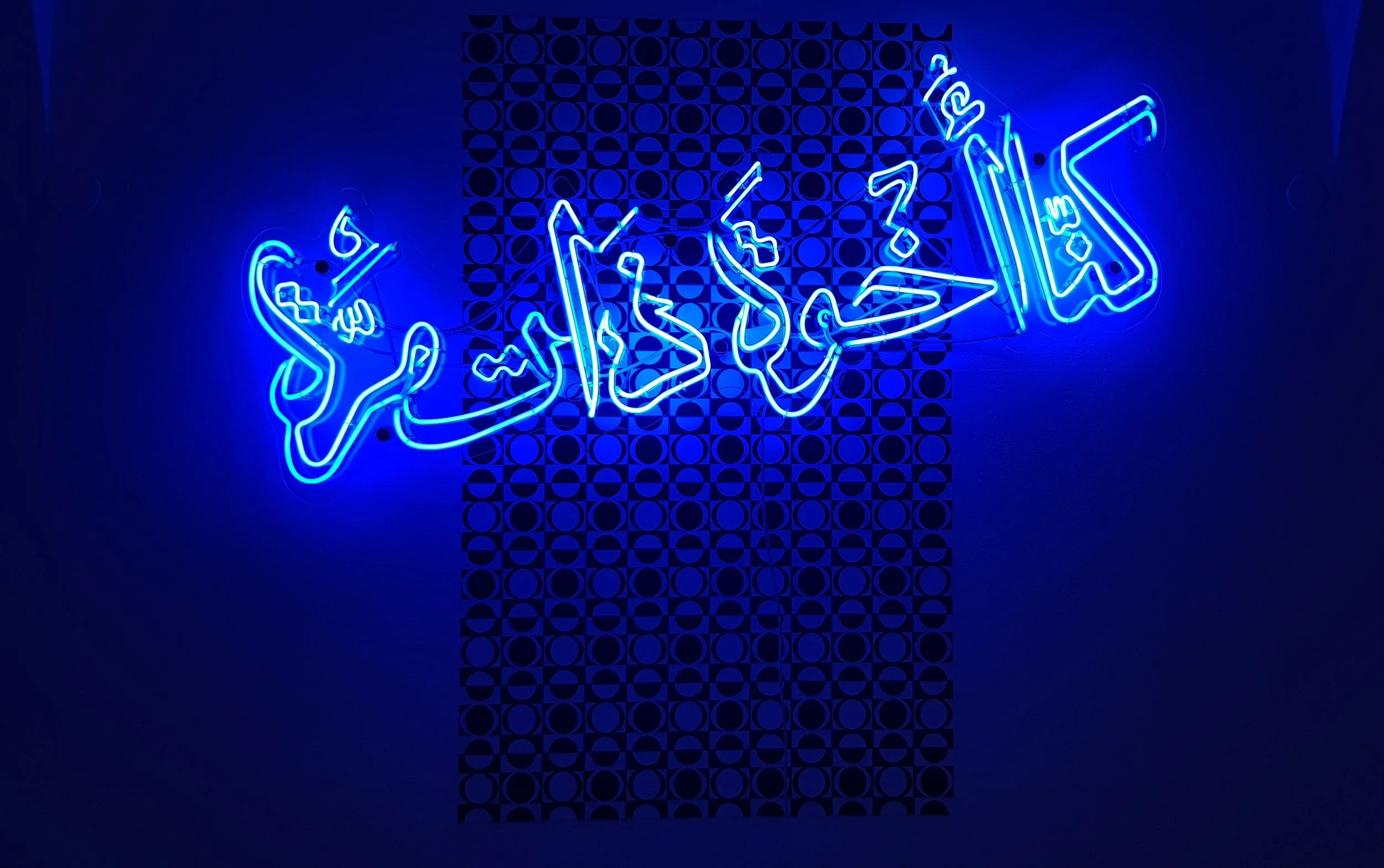
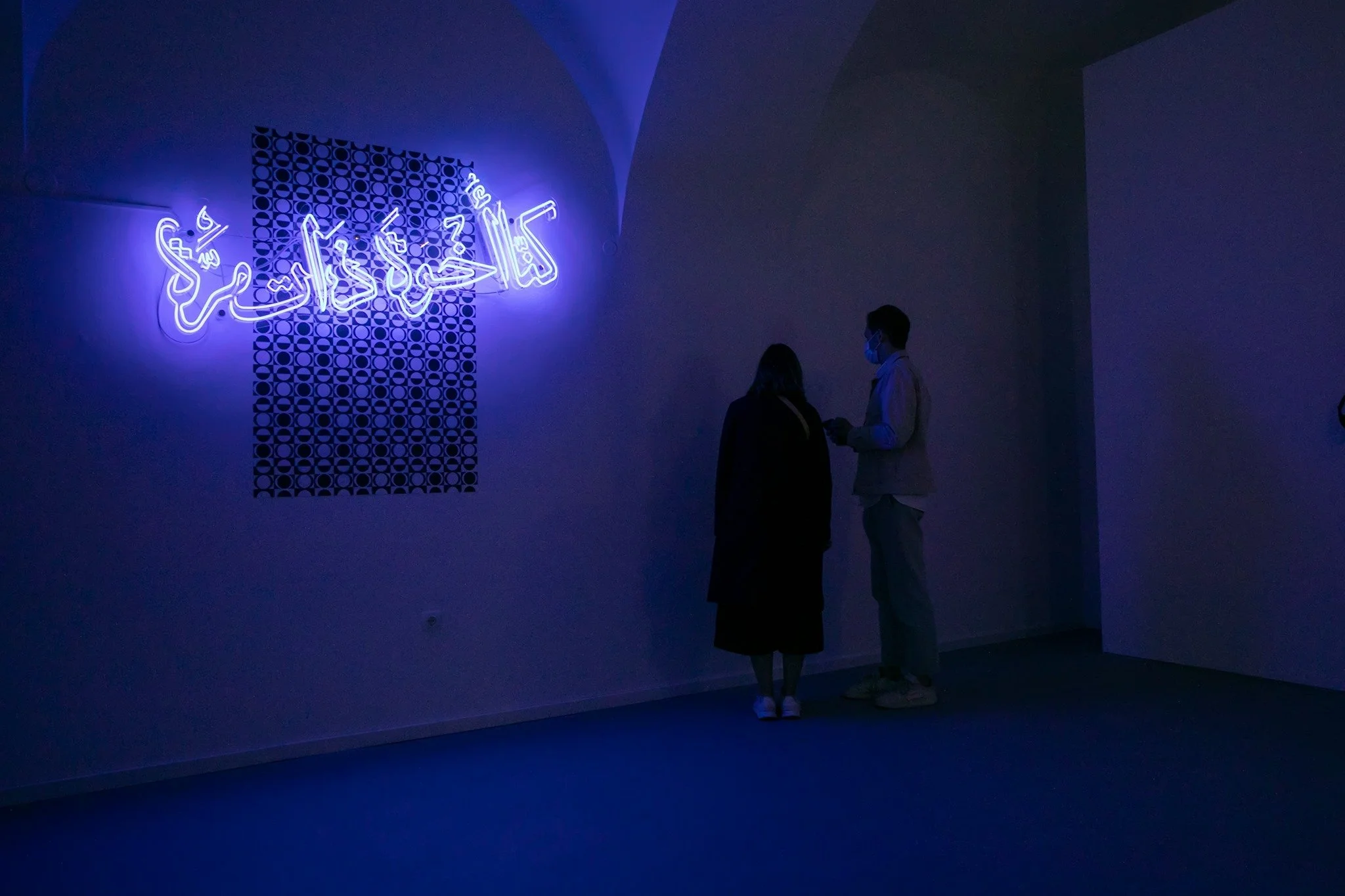
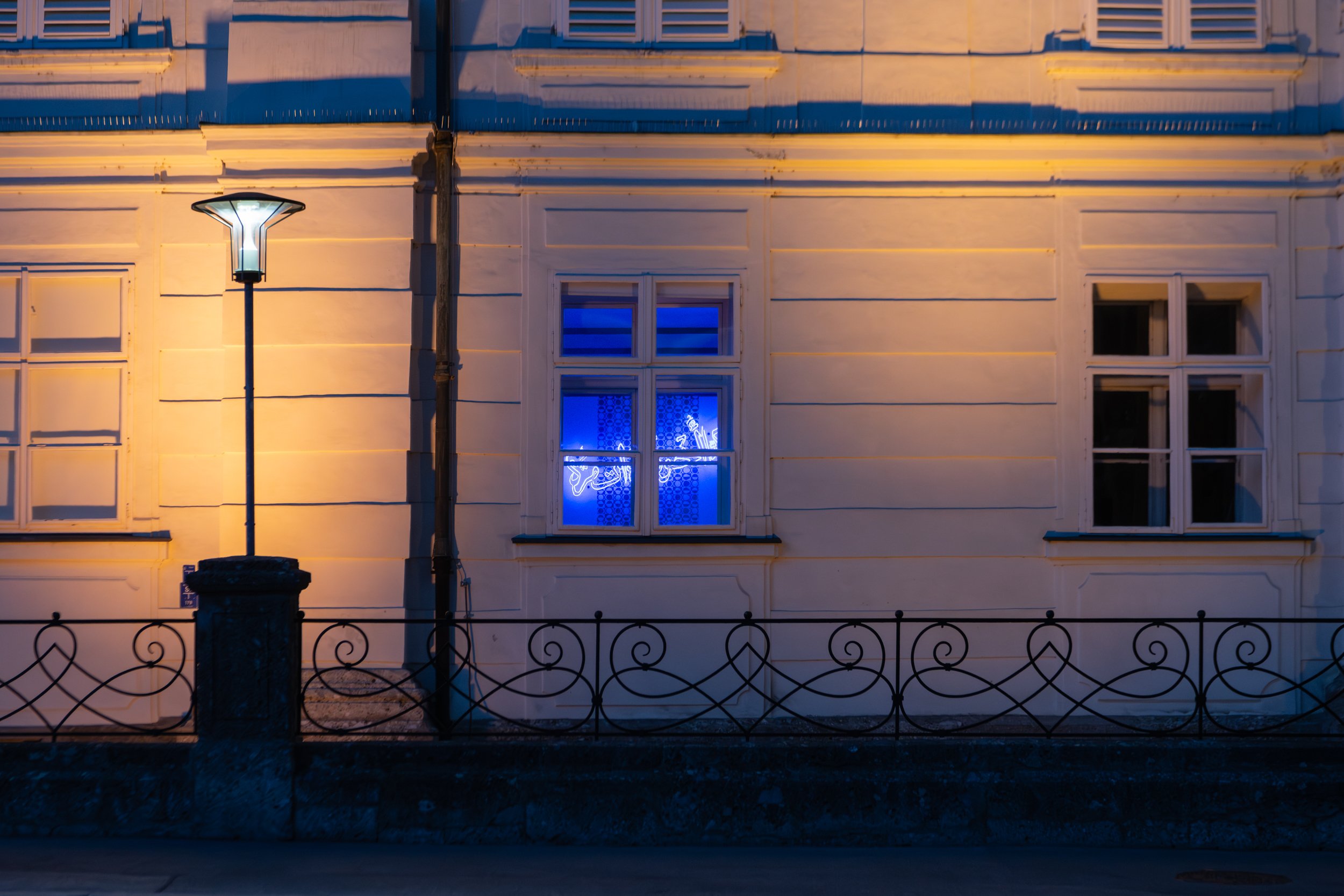
In Once We Were Brothers, Lana Čmajčanin combines the luminous clarity of neon with the ornamental logic of pattern and design. The Arabic inscription Once We Were Brothers refers to the history of the Non-Aligned Movement (NAM), which once envisioned solidarity and mutual support between the nations of the Global South and the former Yugoslavia. The radiant Reflex Blue—a colour historically associated with the visual language of the NAM—bathes the work in a hue of utopia and distance. Its cool glow transforms the language of political fraternity into an afterimage of a lost ideal: a promise that continues to shine even as its political meaning fades.
By merging Arabic script, geometric wallpaper motifs and industrial materials, Čmajčanin exposes the tension between ideological aspiration and the realities of postcolonial and neoliberal power. The work recalls the fragility of alliances and calls for a renewed imagination of solidarity beyond inherited hierarchies.
Lana Čmajčanin, Once We Were Brothers, Neon (Reflex Blue), wallpaper, vinyl print, variable dimensions, 2019–22.
GALLERY